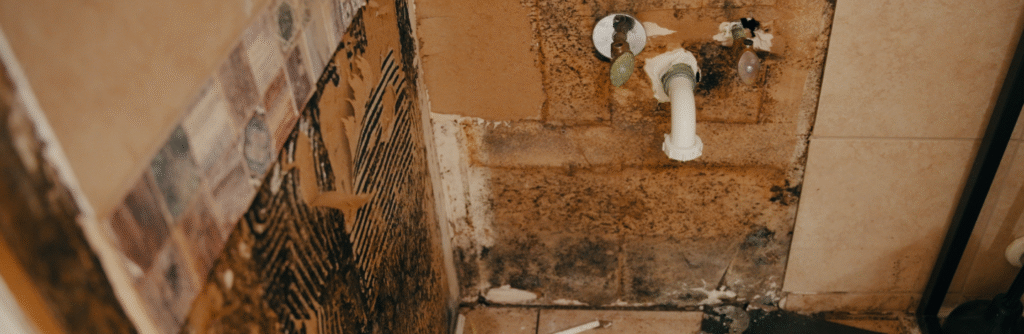
Buying a home in Dayton or the Miami Valley is one of the largest financial decisions most people make. Mold is one of the most common problems that gets missed during that process — and one of the most expensive to fix after the sale closes.
This is not a scare piece. Most homes do not have a significant mold problem. But the ones that do often show no visible signs during a standard walkthrough, and a general home inspection is not designed to find hidden mold. Here is what buyers, sellers, and realtors should understand before the papers are signed.
Why Standard Home Inspections Miss Mold
A general home inspection covers a lot of ground — roof condition, electrical systems, plumbing, HVAC, foundation, and structural components. Inspectors are not mold specialists, and they are not equipped to test air quality or investigate behind finished surfaces.
What a home inspector can flag is visible mold growth, water staining, or conditions that suggest past moisture intrusion. What they cannot tell you is what is growing inside the walls, above the bathroom ceiling, in the crawl space, or inside the air handling system. Those are the spaces where mold most commonly hides in Dayton-area homes, and none of them are visible during a standard inspection.
This is why a clean home inspection report does not rule out a mold problem. It means no obvious signs were found — which is different from confirming the home is mold-free.
The Red Flags That Actually Matter
Buyers walking through a home should pay attention to a few specific signals that inspectors may note but not investigate further.
A musty odor anywhere in the house — basement, closets, bathrooms, or when the HVAC kicks on — is the most reliable indicator that mold is active somewhere in the structure. Fresh paint and air fresheners can mask this temporarily during showings. If you notice an odor on a second or third visit that was not present on the first, that is worth investigating.
Water staining on ceilings, walls, or around windows indicates past moisture intrusion. Staining that has been painted over is particularly significant — it means someone knew about it. The question is whether the source was repaired and whether mold remediation was ever performed.
Soft or discolored drywall, especially in bathrooms and around plumbing chases, suggests moisture has been present long enough to compromise the material. Mold and structural degradation tend to occur together in these areas.
In basements and crawl spaces, white mineral deposits on block walls indicate water migrating through the foundation. Dark staining on floor joists is often mold growth that has been present for an extended period.
Homes with additions, finished basements, or bathroom remodels deserve extra scrutiny. Work done without permits or by non-professionals frequently has moisture management issues that do not surface until the next owner is living with them.
What to Ask the Seller
Ohio disclosure law requires sellers to disclose known material defects, including water intrusion and mold. But disclosure requires knowledge, and many mold problems are genuinely unknown to the seller — particularly in spaces they do not regularly access.
Specific questions worth asking before closing include whether there has been any history of water damage or flooding, whether any remediation work has been performed and by whom, whether there have been any plumbing leaks in the walls or ceilings, and what the crawl space or basement moisture situation looks like in summer.
If a seller discloses past water damage but cannot produce documentation of professional remediation, treat that as an open question that deserves an answer before you close.
When to Get a Mold Assessment
If a home inspection reveals any signs of moisture intrusion, if the property has a musty odor, if there is a history of flooding or plumbing failures, or if the home is older and has not had major updates to bathrooms or HVAC systems, a professional mold assessment is a reasonable step before closing.
A mold assessment from a certified professional is different from a general inspection. It includes air quality testing, surface sampling where indicated, moisture readings throughout the affected areas, and a written report with findings. That report either gives you confidence to proceed or gives you documentation to negotiate a price adjustment, request remediation before closing, or walk away from a deal that was never going to go well.
The cost of a pre-purchase mold assessment is small relative to the cost of discovering a significant mold problem after you own the home.
What Professional Remediation Actually Involves
If mold is found, buyers and sellers both benefit from understanding what proper remediation requires — because not all remediation is the same.
ANSI/IICRC S520, the nationally recognized standard for professional mold remediation, requires physical containment of the affected area, negative air pressure to prevent cross-contamination, removal of affected materials to clean substrate, treatment of the affected surfaces, air scrubbing with commercial-grade equipment, and post-remediation verification with clearance testing. A company that applies a spray and calls it done is not performing remediation to that standard.
Ram Mold Pro follows IICRC S520 on every job. Our technicians are IICRC certified, and we use Extreme Microbial Technologies commercial air scrubbers — equipment that operates above the standard — to ensure the air is genuinely clean, not just technically within clearance limits.
For Realtors and Property Managers in the Dayton Area
If you are managing transactions or properties in the Dayton and Miami Valley market, having a trusted remediation partner matters. When mold questions come up during a transaction — and they do — you want to be able to refer your clients to a company that will give them a straight answer, document the work properly, and stand behind it.
Ram Mold Pro works with homebuyers, sellers, realtors, and property managers throughout Dayton, Kettering, Oakwood, Centerville, Beavercreek, Springboro, Lebanon, and the broader Miami Valley.
If you have a mold question on a property — before, during, or after a transaction — call us.
888-609-6653 www.rammoldpro.com