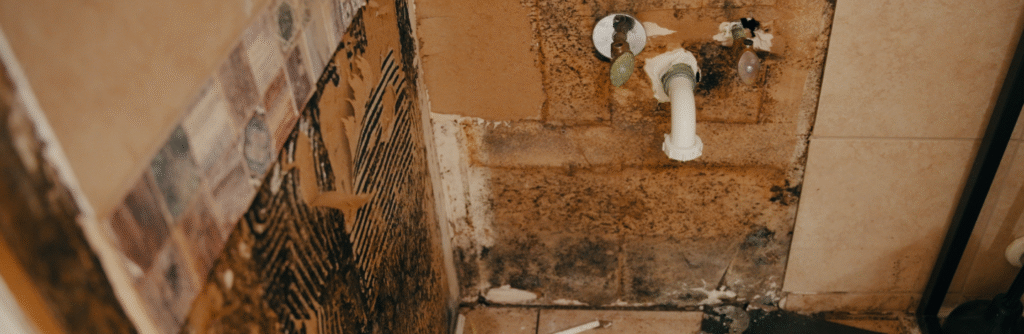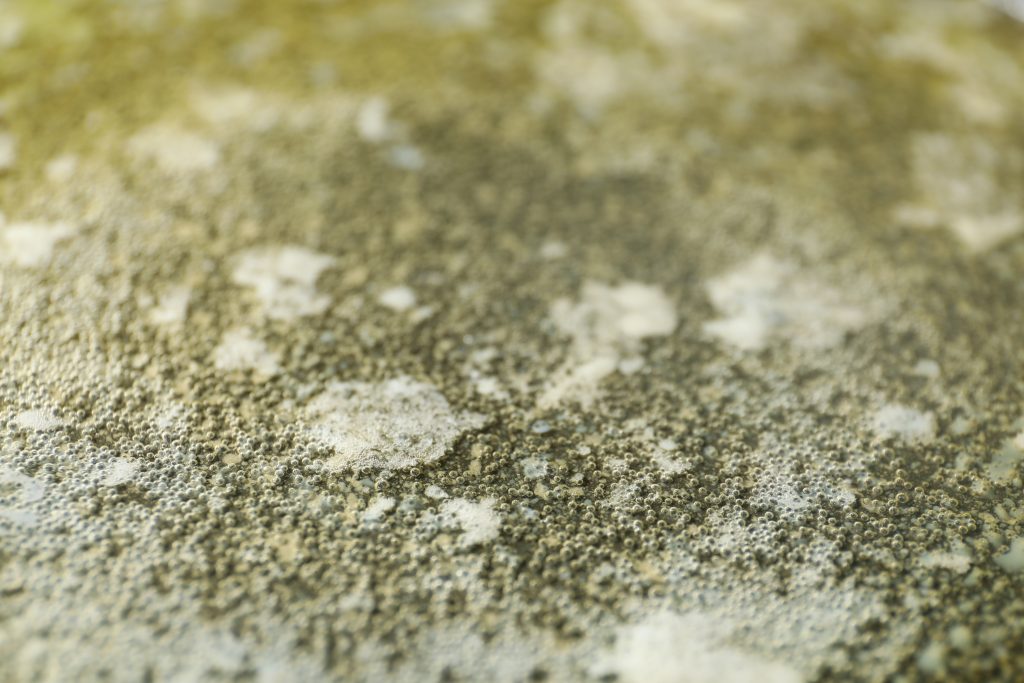
Most people think of mold as a cosmetic problem — a dark spot on a wall or a musty smell in a basement. But for some people, mold in a home or building can be connected to symptoms that affect how they feel every day. The tricky part is that those symptoms often look like something else entirely.
This post is not medical advice, and we are not doctors. If you are experiencing health symptoms, talk to a physician. What we can offer is what we have seen in our work remediating mold in homes and buildings across Dayton and the Miami Valley: mold problems are often found in homes where occupants have been dealing with unexplained symptoms for a long time — sometimes years.
Why Some People React to Mold and Others Do Not
Mold sensitivity is not the same for everyone. According to the Centers for Disease Control and Prevention (CDC) and the Environmental Protection Agency (EPA), certain groups tend to be more susceptible to the effects of mold exposure. These include people with existing allergies or asthma, infants and young children, older adults, and people with compromised immune systems.
That said, mold sensitivity can affect people who do not fall into any of those categories. Some individuals simply have a stronger immune response to mold spores or the compounds mold produces — and that response can show up in ways that are easy to dismiss or misattribute.
Symptoms That Some People Associate With Mold Exposure
The following symptoms are commonly reported in connection with mold exposure. They are not unique to mold — many of these symptoms have other causes — but if you are experiencing several of them persistently and cannot identify a source, it may be worth considering whether your indoor environment is a factor.
Respiratory symptoms are among the most frequently reported. These can include nasal congestion, runny nose, sneezing, coughing, wheezing, and shortness of breath. For people with asthma, mold exposure can trigger or worsen attacks. The EPA notes that mold exposure can cause upper respiratory tract symptoms in otherwise healthy individuals.
Eye, nose, and throat irritation is another common report. Itchy or watery eyes, a persistent sore throat, and irritation of the mucous membranes are all symptoms people sometimes connect to poor indoor air quality, including mold.
Skin irritation — redness, itching, or rash — can occur in some individuals who are sensitive to mold spores or mold-related compounds.
Fatigue and headaches are less specific but appear frequently in accounts from people who later discovered significant mold in their homes. These are hard to attribute to any single cause, which is part of why mold often goes unconsidered for a long time.
Difficulty concentrating or a general sense of cognitive fog is something some people report, though the research on this is more limited and varied. This is not a claim — it is a symptom some occupants of mold-affected buildings have described.
The Problem With “Getting Used to It”
One of the most common things we hear on mold jobs is that the homeowner had noticed the musty smell for months or even years but had stopped noticing it. The same thing can happen with symptoms. If you feel better when you are away from home — on vacation, traveling for work, or spending extended time somewhere else — and worse when you return, that pattern is worth paying attention to.
It does not automatically mean mold. But it is a question worth asking.
What to Do If You Suspect Mold Is a Factor
First, talk to your doctor. A physician can evaluate your symptoms and, if appropriate, refer you to an allergist who can test for mold sensitivities. Be honest about your home environment and any musty smells or visible moisture issues.
Second, have your home assessed. A professional mold assessment looks at areas of the home that homeowners rarely check — wall cavities, crawl spaces, HVAC systems, attic spaces, and areas with any history of water intrusion. Mold that is causing air quality problems is often not visible from the living space.
Ram Mold Pro performs mold assessments for homes throughout Dayton and the Miami Valley. If something in your environment does not feel right and you have not been able to find an explanation, we are glad to take a look.
A Note on What We Can and Cannot Tell You
We want to be straightforward: we are mold remediation professionals, not medical professionals. We cannot tell you whether mold is making you sick, and we would never want to replace your relationship with a physician or create unnecessary alarm.
What we can tell you is that mold is common in Ohio homes, that it often goes undetected for years, and that when we find it and remove it properly, homeowners often tell us the air in their home feels different. That is not a medical claim. It is just what we hear.
If you have questions about mold in your home, we are happy to talk through it.
Ram Mold Pro — Dayton and the Miami Valley
888-609-6653
www.rammoldpro.com