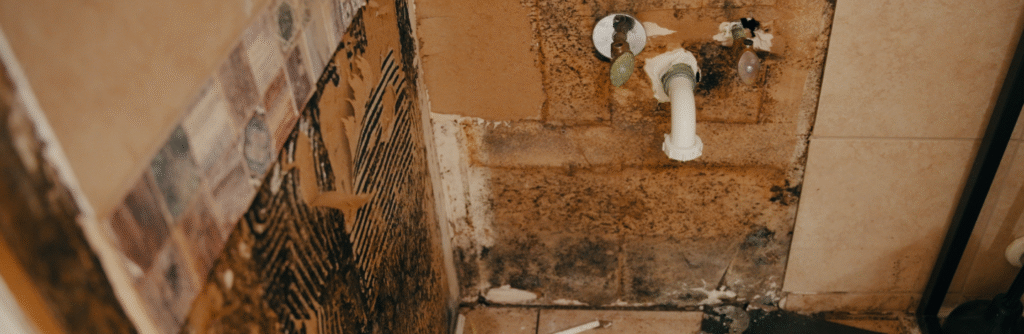
The primary technical standard for professional mold remediation just got its most significant update in years, and it’s worth knowing about even if you’re not in the industry.
The ANSI/IICRC S520 standard, the reference document that defines what “doing mold remediation correctly” looks like, was updated to its 4th edition in 2024. It was recently cited in the 2026 National Defense Authorization Act, which now requires uniform mold remediation guidelines for military housing and facilities. That’s a notable moment: when a technical industry standard gets folded into federal housing policy, it tends to raise the baseline expectation for what proper remediation looks like well beyond the buildings the law directly covers.
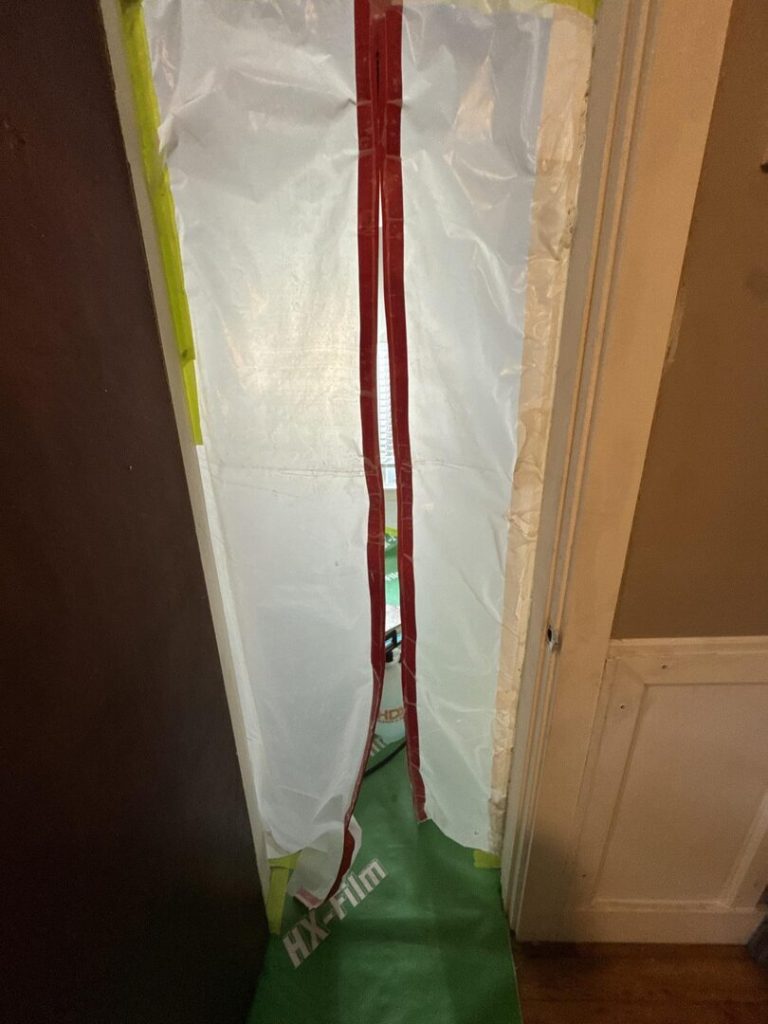
For homeowners and property managers, the practical takeaway isn’t the legal detail, it’s the baseline. Standards like S520 exist to define containment procedures, moisture documentation, and verification steps that separate a job done to a defined standard from one that just “looks done.” A remediation company that already follows this standard as a matter of course isn’t scrambling to catch up to a new requirement; they’re already there.
If you’re evaluating a remediation company, for your own home or for a property you manage, asking whether they follow the current ANSI/IICRC S520 standard is a reasonable, specific question, and a company’s answer tells you a lot about how they actually operate.
By the numbers:
- ANSI/IICRC S520 updated to its 4th edition in 2024.
- Cited in the 2026 National Defense Authorization Act for uniform military housing mold remediation guidelines.
- Following a recognized standard is a specific, verifiable question to ask any remediation company.
Source: ANSI/IICRC S520 (4th edition, 2024); 2026 National Defense Authorization Act, military housing mold provisions
Curious whether your last remediation job, or your current vendor, follows this standard? Ask us; we’ll give you a straight answer either way. Call 888-609-6653 or visit www.rammoldpro.com to learn more.