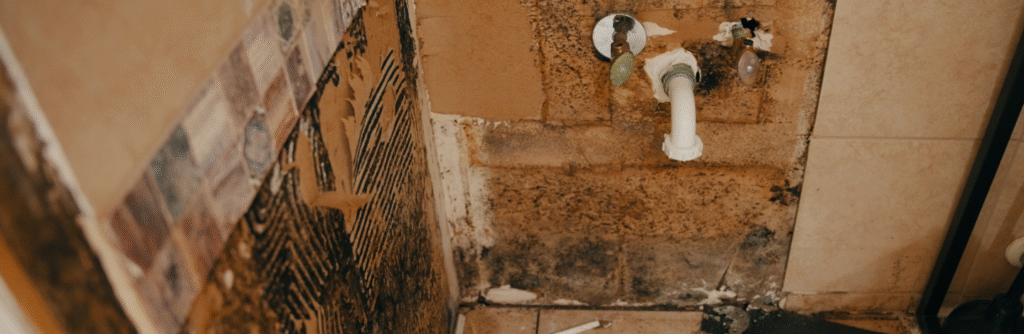
“Mold removal” shows up constantly in marketing, search results, and casual conversation, as though it describes a complete, permanent outcome. The EPA’s own guidance uses different language on purpose, and the distinction is worth understanding before hiring anyone who promises the former.
What does the EPA actually say about eliminating mold entirely?
It says it’s not possible, in plain terms: “It is impossible to get rid of all mold and mold spores indoors; some mold spores will be found floating through the air and in house dust.” That’s not a marketing caveat, it’s a basic environmental fact. Mold spores are effectively everywhere, indoors and outdoors, and a home that’s been through professional remediation still has mold spores in its air and dust, same as every other home. What changes isn’t the presence of spores; it’s whether those spores have an active colony to feed on and enough moisture to grow.
This is why the industry’s own standard, ANSI/IICRC S520, is titled a standard for professional mold remediation, not removal. Remediation describes returning an indoor environment to a normal, baseline fungal ecology, the Condition 1 classification covered elsewhere on this blog, not achieving a mold-free state that isn’t actually achievable in the first place.
Does that mean “remediation” is just a softer word for the same thing “removal” claims to do?
No, and the difference matters practically, not just semantically. A company promising complete mold removal is either promising something outside the realm of what’s actually achievable, or using the word loosely to mean the same thing remediation actually does: removing the active growth and contaminated material, correcting the moisture source, and returning spore levels to a normal, background range consistent with a typical indoor environment. Understanding that distinction matters when evaluating a quote or a guarantee, since “we’ll remove all your mold” is either an overpromise or an imprecise way of describing legitimate, achievable remediation work.
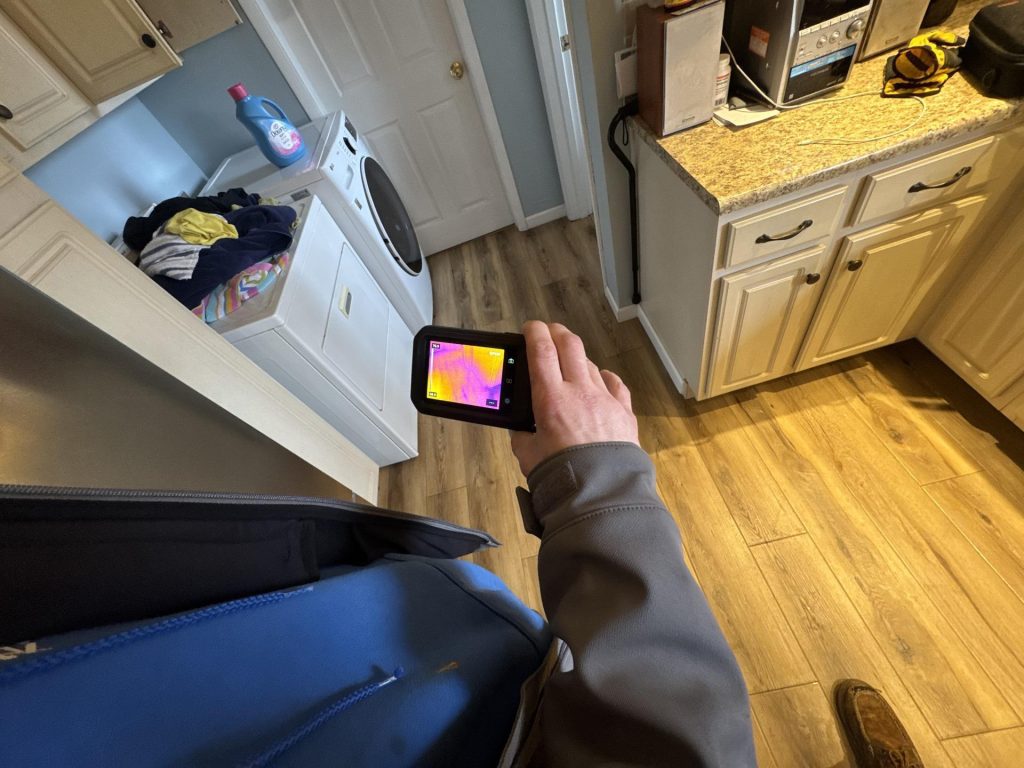
None of this is a reason to be less confident that a real problem can be properly addressed. It’s a reason to expect precise language from whoever’s doing the addressing, since a contractor who understands what “impossible to eliminate all mold spores” actually means, and who uses tools like the thermal camera pictured here to confirm where a problem actually extends, is more likely to set an honest, achievable goal for a project than one who’s promising something the EPA itself says can’t be done.
Want an honest assessment instead of an unrealistic promise? 888-609-6653 or www.rammoldpro.com
Dealing with water, fire or storm damage? Contact our sister company, Ram Restoration, at www.ramrestorationusa.com/contact/
Related reading
- How Long Does a Mold Remediation Project Actually Take?
- Do Air Purifiers or HEPA Filtration Actually Help With a Mold Problem?
- What Does Ohio’s Own Property Disclosure Form Actually Ask About Mold?
- All Ram Mold Pro articles
FAQ’s
Can all mold be removed from a home?
EPA guidance states plainly that “it is impossible to get rid of all mold and mold spores indoors”.
Are mold spores present in every home?
Mold spores are naturally present in outdoor and indoor air everywhere, including in homes with no active mold problem.
What is the industry standard for mold remediation?
The industry standard, ANSI/IICRC S520, is a standard for mold remediation, defined as returning a space to normal fungal ecology, not for total mold “removal”.
Sources: U.S. Environmental Protection Agency, “A Brief Guide to Mold, Moisture, and Your Home”; ANSI/IICRC S520-2024