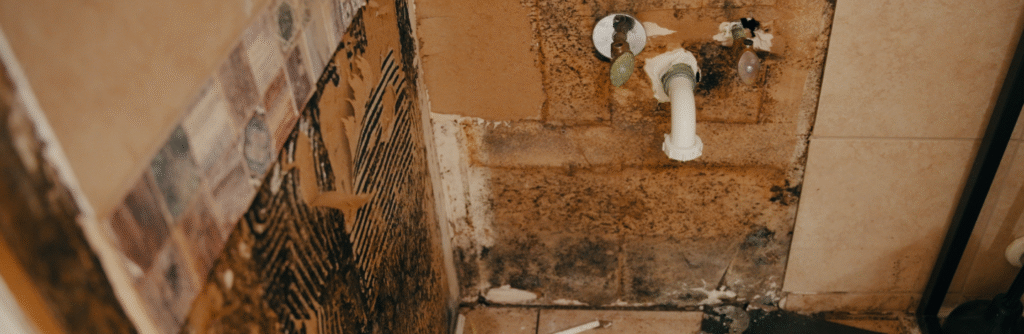
Portable air purifiers get marketed heavily around allergies and indoor air quality generally, and it’s a fair question whether running one actually does anything for an existing or suspected mold problem. The EPA has a direct, specific answer.
Can an air purifier actually fix a mold problem on its own?
No. The EPA’s Guide to Air Cleaners in the Home is unambiguous: “Portable air cleaners and furnace/HVAC filters do not address the cause of mold and musty odors.” The agency’s stated fix is more basic and more direct: “To solve a mold problem, get rid of the source of the moisture and clean up the mold.” An air purifier, however good, is not a substitute for either of those two steps.
That’s a meaningful distinction from what a lot of marketing implies. A device that removes particles from the air is doing something real, just not the thing that actually resolves the underlying problem. The EPA acknowledges this middle ground directly: portable air cleaners and HVAC filters “may remove some of the particles generated by mold,” a real, limited benefit, while being clear this capability “will not resolve a mold and moisture problem” on its own.
So is there ever a legitimate role for this kind of equipment?
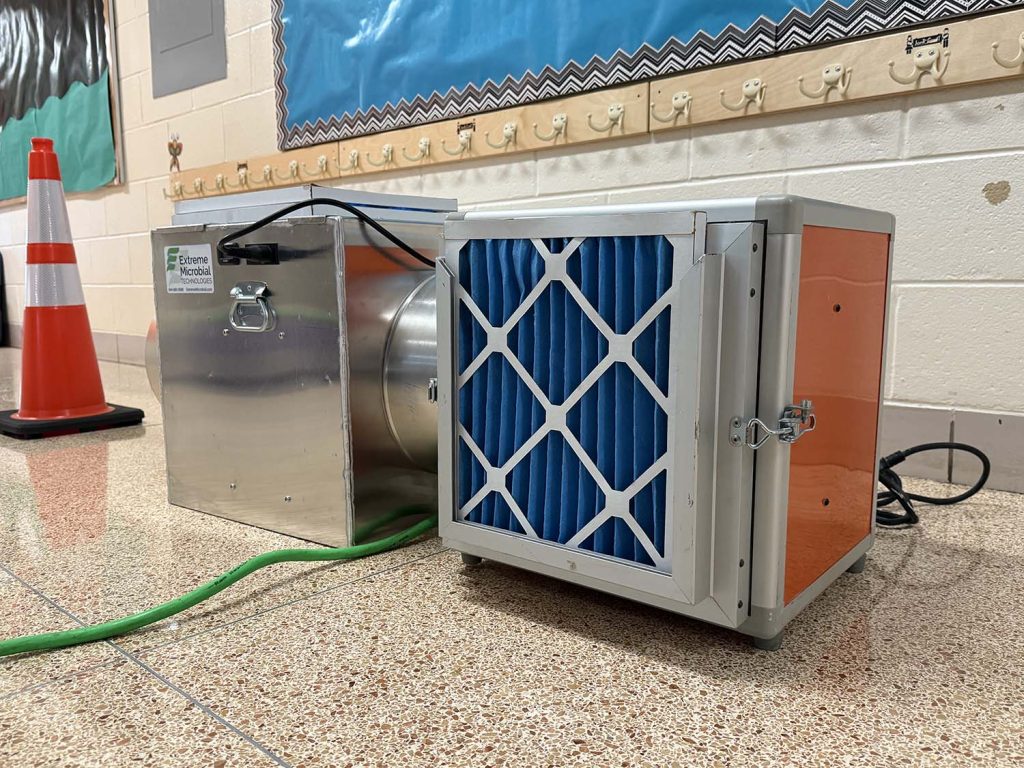
Yes, just a narrower one than consumer marketing tends to suggest. In professional remediation, HEPA-filtered negative air machines are a standard part of containment, not a replacement for it. During active remediation, these units pull air through HEPA filtration to reduce airborne spore counts inside a sealed containment area while the actual source removal and cleanup happens, protecting the rest of the home from cross-contamination during the work itself. That’s a genuinely useful, well-established application, it’s just a supporting role during active remediation, not a stand-in for remediation entirely, and it’s a different piece of equipment entirely from the consumer air purifiers sold for everyday household use.
The practical takeaway is straightforward: a household air purifier running in a room with a suspected mold problem isn’t fixing that problem, and it shouldn’t be mistaken for a solution while the actual moisture source goes unaddressed. It might modestly reduce airborne particles in the meantime, but “the air feels better” and “the underlying problem is resolved” are two different outcomes, and only one of them is worth relying on.
What should someone actually do with an air purifier they already own?
Keep using it if it’s providing some comfort, just don’t let it delay the two things that actually matter: finding the moisture source and addressing the growth itself. A space like the one pictured here, where active equipment is deployed as part of a real remediation effort rather than as a standalone household fix, illustrates the distinction well. The equipment is doing real, useful work as part of a broader process that includes source correction and physical cleanup, not as a substitute for either one.
By the numbers:
- EPA guidance states plainly that portable air cleaners and HVAC filters “do not address the cause of mold and musty odors”
- EPA’s recommended fix is source moisture control and physical cleanup, not air filtration alone
- Professional HEPA-filtered negative air machines are a standard containment tool during active remediation, not a substitute for it
Sources: U.S. Environmental Protection Agency, “Guide to Air Cleaners in the Home,” 2nd Edition
If you’re relying on an air purifier and still noticing a musty smell, it’s worth a real look: 888-609-6653 or www.rammoldpro.com