“I need a mold test” is one of the most common calls we get, and it’s usually not quite the right request. Testing and inspection are different services that answer different questions, and most situations call for one before the other.
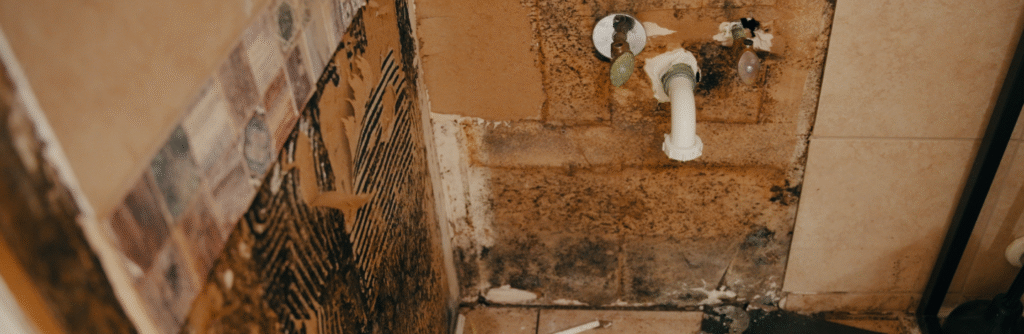
A mold inspection is a structured evaluation of a building: tracing moisture history, checking building systems like HVAC and plumbing, and identifying where growth is occurring and why. It’s built to answer “what’s happening here and where is it coming from.”
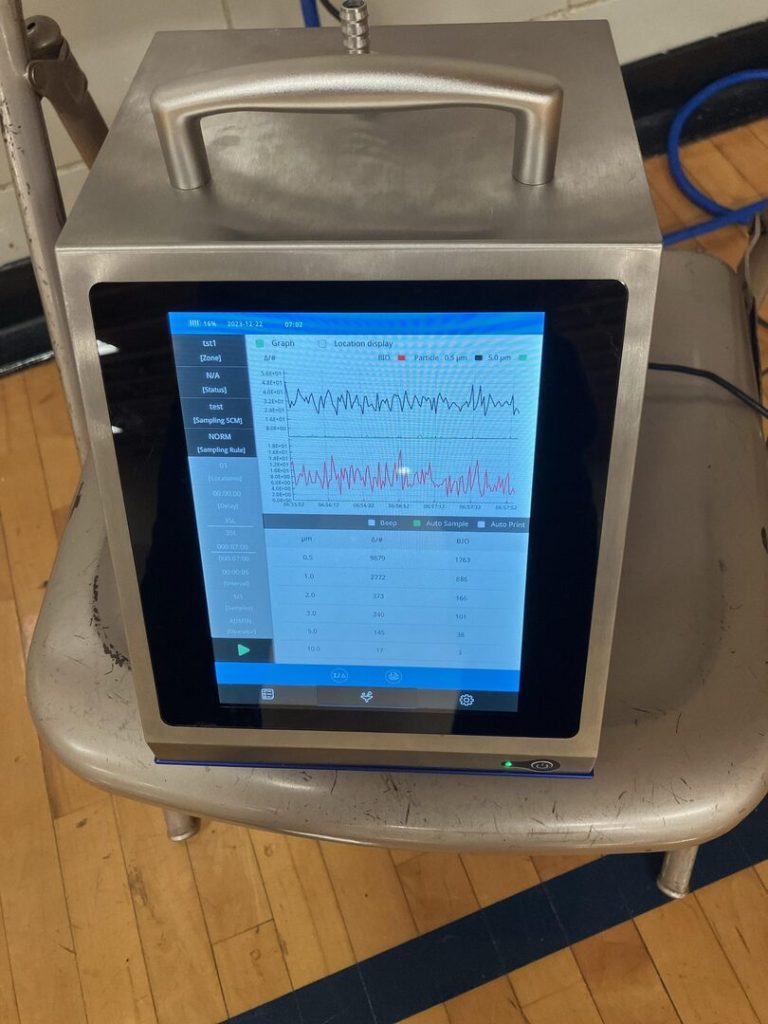
A mold test collects air or surface samples for lab analysis. It’s useful for confirming a specific species, documenting conditions for legal or insurance purposes, or verifying that a completed remediation job actually worked. What it doesn’t do well on its own is tell you where a moisture problem is coming from or how far it’s spread.
For most situations where mold is already visible or a musty smell is present, an inspection is the more useful starting point. The CDC and NIOSH have both noted that thorough visual inspection combined with moisture tracking tends to be more reliable for routine building evaluations than short air samples taken in isolation. Testing still has a place, confirming results, satisfying a legal requirement, verifying a job’s completion, it’s just often not the first step people assume it is.
By the numbers:
- An inspection identifies where and why mold is growing; a test confirms what’s in a sample.
- CDC/NIOSH guidance notes visual inspection and moisture tracking are generally more reliable than short air samples for routine evaluations.
- Testing is most valuable for species confirmation, legal/insurance documentation, or post-remediation verification.
Source: CDC/NIOSH guidance on building dampness and mold evaluation
Not sure whether you need a test or an inspection? Start with a conversation and we’ll tell you honestly which one actually applies. Call 888-609-6653 or visit www.rammoldpro.com to schedule a consultation.