Mold testing gets marketed as a default first step, sometimes an expensive one, whenever mold comes up. The EPA’s own guidance takes a noticeably different, more restrained position on when testing actually adds value.
If you can already see mold, is testing still the right next step?
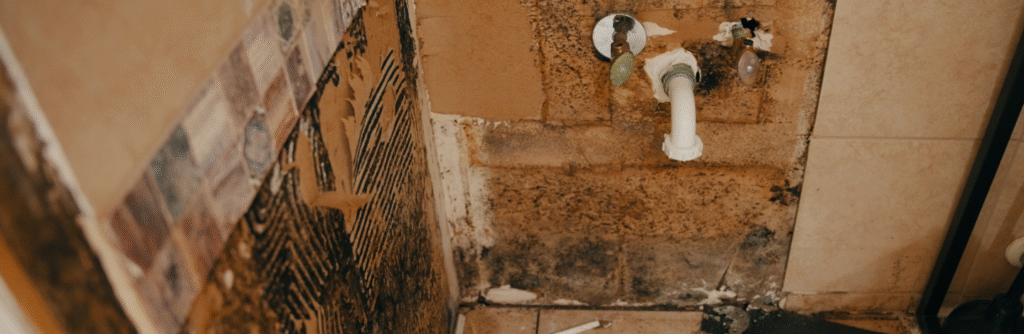
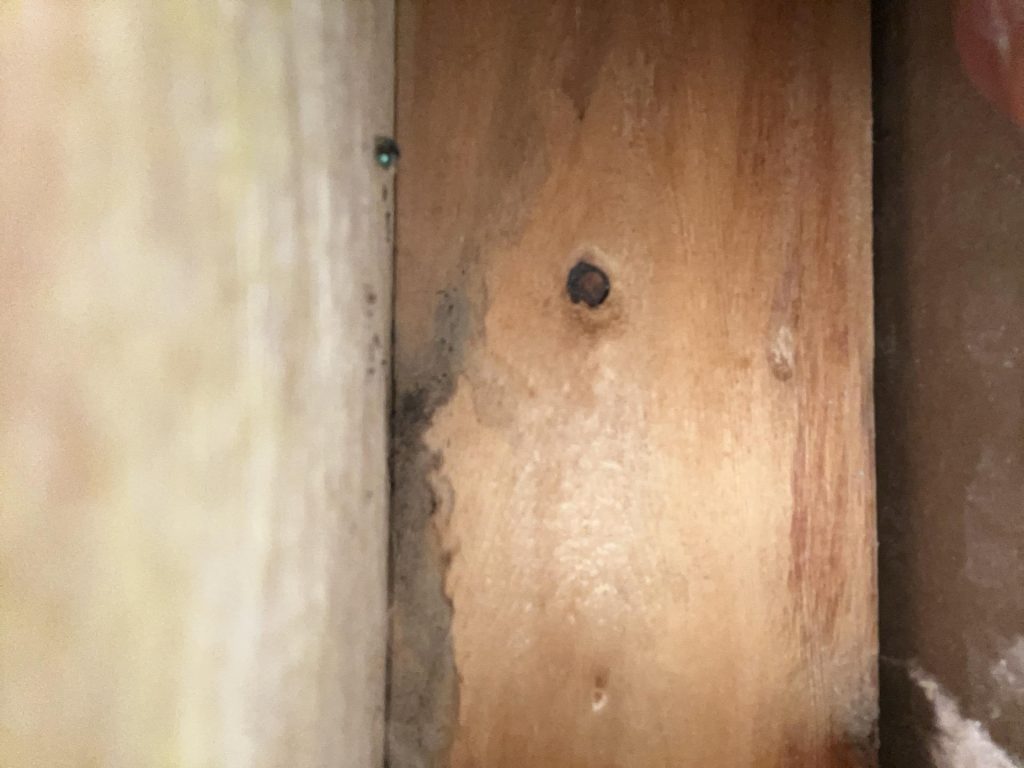
Generally, no. The EPA’s guidance is direct on this exact scenario: “In most cases, if visible mold growth is present, sampling is unnecessary.” The reasoning follows from what testing can and can’t actually tell you: there are no EPA or other federal limits set for mold or mold spore levels, which means a lab result showing a spore count doesn’t get compared against any official safety threshold, because no such threshold exists. If mold is already visibly present, like the growth pictured here, the useful next step is addressing it, not paying to quantify something everyone can already see.
That doesn’t mean testing has no legitimate use. The EPA specifically identifies one situation where sampling is genuinely useful: “Surface sampling may be useful to determine if an area has been adequately cleaned or remediated.” That’s a real, specific application, confirming a completed job actually met its target, not diagnosing whether a problem exists in the first place.
So what should happen instead of a test, in most situations?
A real assessment, focused on finding the actual moisture source and the true extent of visible or probable growth, using tools like moisture meters and thermal imaging to see past drywall and flooring rather than relying on a lab report. This is a more useful starting point than testing in the overwhelming majority of residential situations, because it answers the question that actually determines next steps, where the moisture is coming from and how far it’s spread, rather than a spore count that doesn’t map to any regulatory standard anyway.
None of this is an argument that testing is never appropriate. Certain legal, insurance, or health-sensitive situations do call for it, often specifically the post-remediation clearance scenario the EPA itself calls out. But for the common situation of seeing something and wanting to know what to do about it, the EPA’s own position is that a real assessment, not a lab test, is the step that actually moves things forward.
Why would a company push testing anyway, if EPA says it’s usually unnecessary?
Sometimes it’s genuinely warranted, situations involving litigation, insurance disputes, or a health-sensitive occupant do call for documented lab results. But testing is also billable in a way an assessment conversation isn’t, which is worth keeping in mind when a visible finding, like the growth pictured here, prompts an immediate recommendation for sampling rather than a straightforward discussion of the moisture source and next steps. Asking directly what a proposed test would actually tell you that a real assessment wouldn’t is a reasonable question, and a straightforward answer to it is a reasonable expectation.
Already see something and not sure what it means? Skip the guesswork: 888-609-6653 or www.rammoldpro.com
Dealing with water, fire or storm damage? Contact our sister company, Ram Restoration, at www.ramrestorationusa.com/contact/
Related reading
- Mold Testing vs. Mold Inspection: What’s the Difference, and Which Do You Need?
- How Do You Know If You Have Hidden Mold? Signs, Testing, and When to Call a Pro
- Does Homeowners Insurance Actually Cover Mold Damage?
- All Ram Mold Pro articles
FAQ’s
Do you need mold testing if you can see mold?
EPA guidance states that “in most cases, if visible mold growth is present, sampling is unnecessary”.
Are there official safe limits for mold levels?
No EPA or other federal limits exist for mold or mold spore levels, so a test result can’t be measured against an official safety threshold.
When is mold sampling useful?
EPA identifies confirming a completed cleanup or remediation as a legitimate, specific use for surface sampling.
Sources: U.S. Environmental Protection Agency, “Is Sampling/Testing for Mold Necessary?”