Most mold insurance claims that get denied aren’t denied because of the mold. They’re denied because of a documentation gap or a coverage technicality that could have been avoided with a different first move.
Most homeowners insurance policies cover mold that results from a sudden, identifiable event, a burst pipe, an appliance overflow, a covered water loss, but not mold attributed to gradual moisture, long-term humidity, or deferred maintenance. That distinction is often where claims run into trouble: an adjuster needs to see evidence that the damage traces back to a specific, covered event, not an ongoing condition.
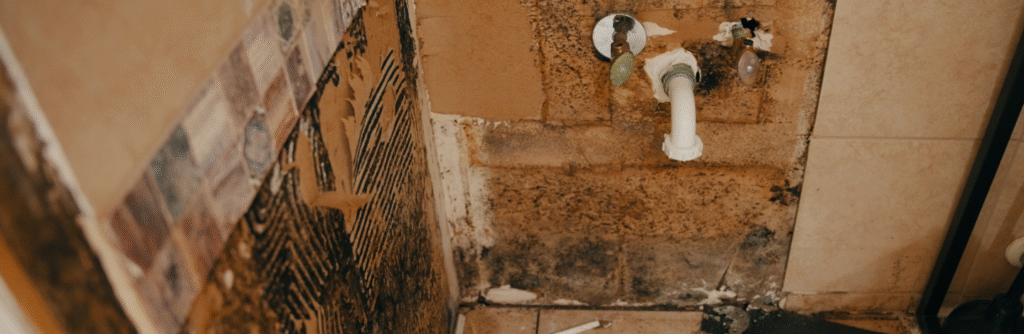
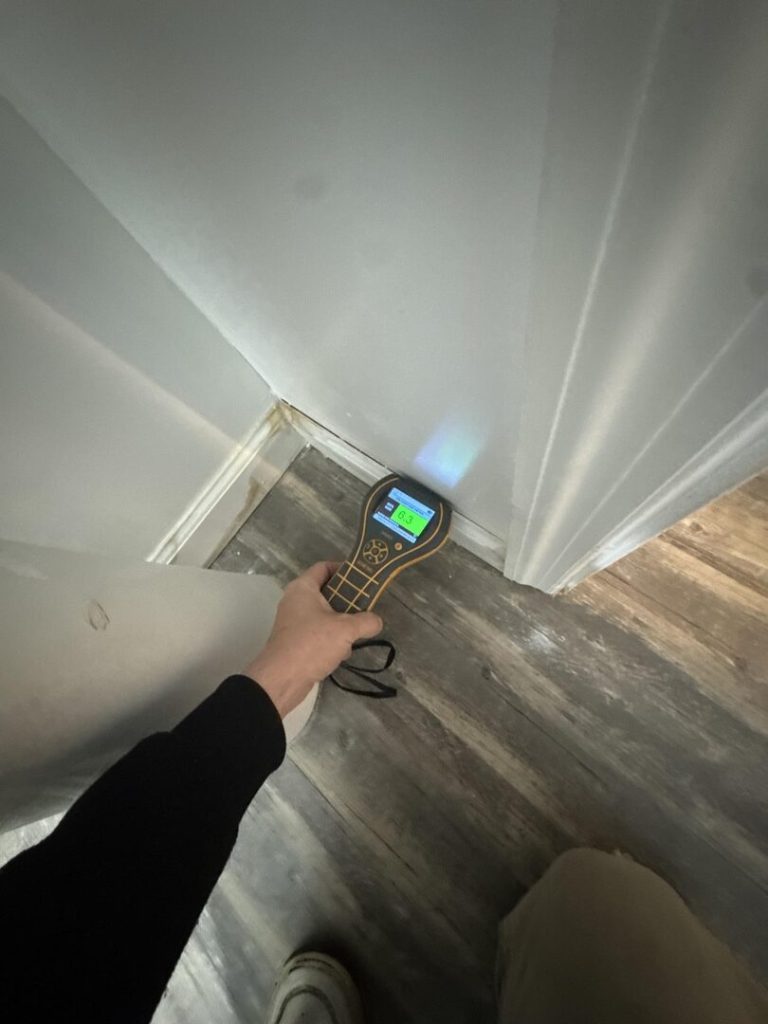
Timing matters too. Many insurers require mold damage to be reported within six months of the triggering event, and how the situation is documented in the first 48 hours often shapes how smoothly the rest of the claim goes. Photographing the moisture source, the affected materials, and the visible damage, with dates, before any cleanup begins gives an adjuster something concrete to evaluate. Once materials are removed or repairs are made, that evidence is gone.
This is where a lot of homeowners unintentionally hurt their own claim: understandably eager to get the problem handled, they clean up or start repairs before anyone’s documented what happened. A professional assessment done before remediation begins creates a clear record of cause, extent, and timeline, the same information an adjuster is going to ask for anyway.
Filing a claim soon? An assessment before cleanup begins gives you documentation built for what an adjuster will ask for. Call 888-609-6653 or visit www.rammoldpro.com to schedule a consultation.
Dealing with water, fire or storm damage? Contact our sister company, Ram Restoration, at www.ramrestorationusa.com/contact/
Related reading
- Does Homeowners Insurance Cover Mold Remediation in Ohio?
- Does Homeowners Insurance Actually Cover Mold Damage?
- What to Do in the First 48 Hours After a Flood to Prevent Mold
- All Ram Mold Pro articles
FAQ’s
What mold damage does insurance usually cover?
Most policies cover mold tied to a sudden, identifiable event, not gradual moisture or neglect.
How soon must mold damage be reported to insurance?
Insurers commonly require mold damage to be reported within six months of the triggering event.
Why does early documentation matter for a mold claim?
Documentation in the first 48 hours often shapes the outcome of the claim.
Source: general insurance industry claims-handling guidance; homeowner policy structures for water/mold-related claims