If you live in Dayton or the Miami Valley, June is not just the start of summer. It is one of the highest mold spore count months of the entire year — and most homeowners have no idea it is happening.
Outdoor mold spore levels in Ohio follow a predictable seasonal pattern. They begin rising in April as temperatures warm and plant material starts decaying, peak through June and July when heat and humidity combine with abundant organic material, and gradually decline with the first frosts of fall. By mid-June, the Miami Valley is typically at or near its annual peak for several of the most common mold types found in this region.
Here is what that means for the air inside your home.
The Molds That Are Most Active in Ohio Right Now
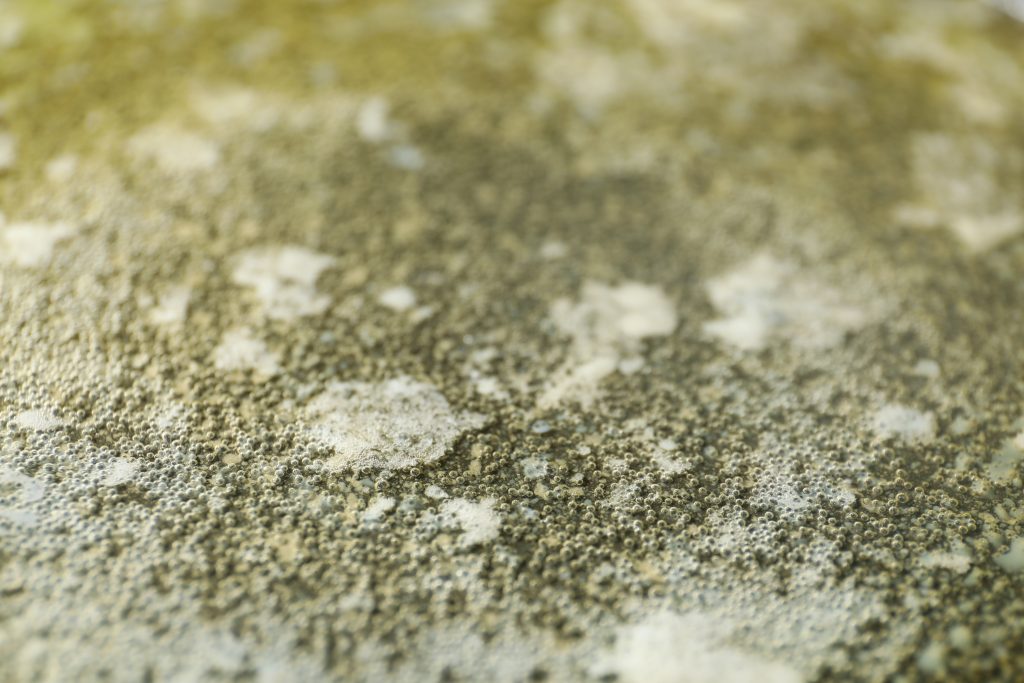
Cladosporium is the dominant outdoor mold in Ohio from late spring through late summer, and June is its prime season. It is one of the most common airborne molds in the world, found on decaying plant material, soil, dead leaves, wood surfaces, and virtually any organic substrate that has been exposed to moisture. Cladosporium spores are extremely lightweight and become airborne readily, which means outdoor spore counts rise sharply on warm, windy days — the exact conditions Dayton experiences regularly in June.
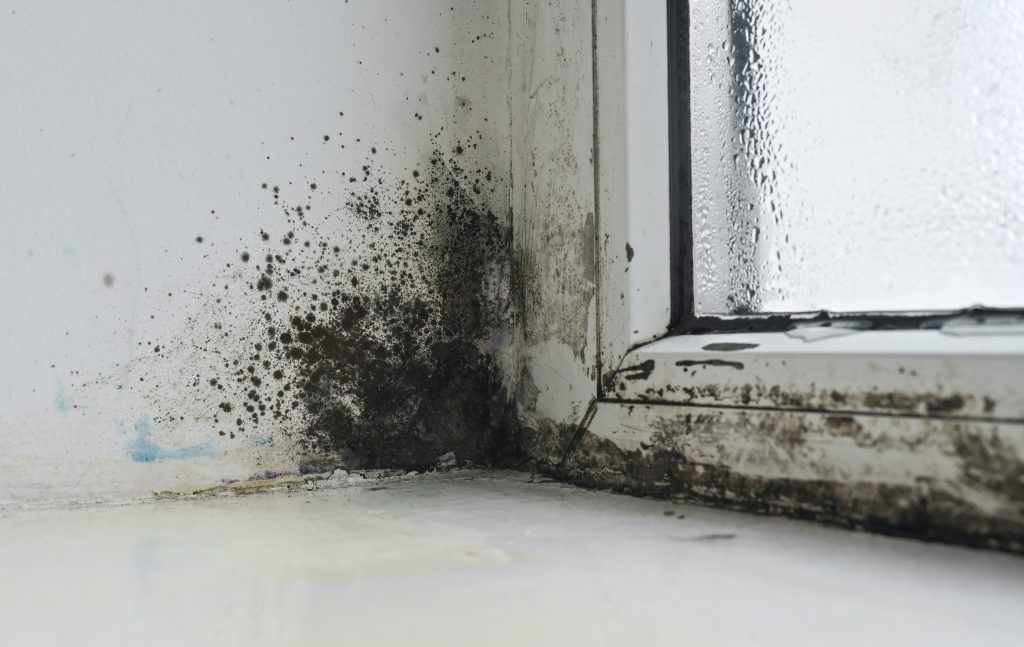
What makes Cladosporium relevant to homeowners is that it moves indoors easily. Every time a door or window opens, outdoor spore-laden air enters the home. If there are interior moisture conditions that allow spores to establish — a damp basement, a crawl space with inadequate vapor barrier, condensation around windows, or any surface with residual moisture — Cladosporium can transition from an outdoor nuisance to an indoor mold problem.
Alternaria is another mold type with elevated activity in Ohio in early summer. It is commonly found on plants, soil, and decaying organic material, and its spore counts in the Miami Valley begin climbing significantly in June. Alternaria is a well-documented allergen and is frequently associated with respiratory symptoms in people with mold sensitivities or existing allergies.
Aspergillus species are present year-round but increase in activity during warm, humid months. Unlike Cladosporium and Alternaria — which are primarily outdoor molds that infiltrate indoors — Aspergillus is equally at home indoors and outdoors, and thrives in the kinds of warm, humid conditions that Ohio homes develop in June when air conditioning is cycling on and off and interior humidity is not yet fully stabilized.
Penicillium species also become more active in early summer and are commonly found in Ohio homes on building materials, insulation, and anywhere there is residual moisture from the previous wet season. If your home had any water intrusion over the winter or spring, June’s warmth can accelerate whatever growth was already starting.
Why the Miami Valley Creates Particularly High Mold Conditions
Dayton and the surrounding Miami Valley sit in a geography that is especially conducive to elevated mold spore counts in June.
The Great Miami River, Mad River, and their tributaries create substantial riparian corridors — linear ecosystems of dense vegetation, decaying organic matter, and persistent moisture that act as continuous spore sources. Communities along or near these corridors — including significant portions of Dayton, Miamisburg, Franklin, and West Chester — are effectively downwind of large natural mold reservoirs throughout the summer.
Ohio’s agricultural surroundings compound this. Corn and soybean fields, which dominate the land surrounding Dayton’s suburban fringe, produce significant mold activity as crops establish and organic matter in the soil is disturbed by cultivation. By June, those fields are actively growing and the soil is warm — both conditions that drive spore production upward.
Ohio’s average outdoor humidity in June typically runs between 65 and 80 percent, with overnight lows that frequently keep relative humidity elevated even on days that feel dry and sunny. That sustained humidity is the foundation that allows mold spores to establish once they find a suitable surface.
How Outdoor Mold Becomes an Indoor Problem in June
The pathway from outdoor spore counts to indoor mold problems is more direct than most homeowners realize.
Spores enter homes continuously through open doors and windows, on clothing and pets, through HVAC systems that draw outdoor air, and through any gaps in the building envelope. Most of the time, those spores find no suitable surface and do not establish. The indoor environments that allow them to take hold share a common characteristic: moisture.
June is a particularly vulnerable month because it is the transition period for home HVAC systems. Air conditioning is running more frequently, which means evaporator coils — located inside the air handler — are collecting condensation continuously. If those coils have not been serviced recently, or if there is any restriction in drainage, the moisture they collect creates an ideal environment for mold establishment directly inside the air distribution system.
Crawl spaces in Ohio homes are another June vulnerability. Ground temperatures are warming, which drives moisture upward. If the vapor barrier in the crawl space is inadequate or has deteriorated, June is often when moisture levels in the crawl space reach their seasonal peak — just as outdoor spore counts are doing the same.
Basements with any history of water intrusion, seepage, or humidity issues will often show elevated activity in June as the ground moisture from spring rain and snowmelt has moved through the soil and is now pressing against foundation walls.
What Dayton Homeowners Should Check Right Now
Given where we are in the season, June is a reasonable time to walk through your home with mold in mind — not to alarm yourself, but because the conditions that allow mold to establish are most active right now.
Check your HVAC air handler for any visible signs of moisture around the unit, discoloration at the drain pan, or musty odor coming from the vents when the system runs. If you have not had your evaporator coils cleaned in the past year or two, this is a good time to schedule it.
Go into your crawl space if it is accessible and look at the vapor barrier. If it is torn, displaced, or missing in sections, and if the ground below looks or feels damp, that is worth addressing before the rest of the summer compounds the problem.
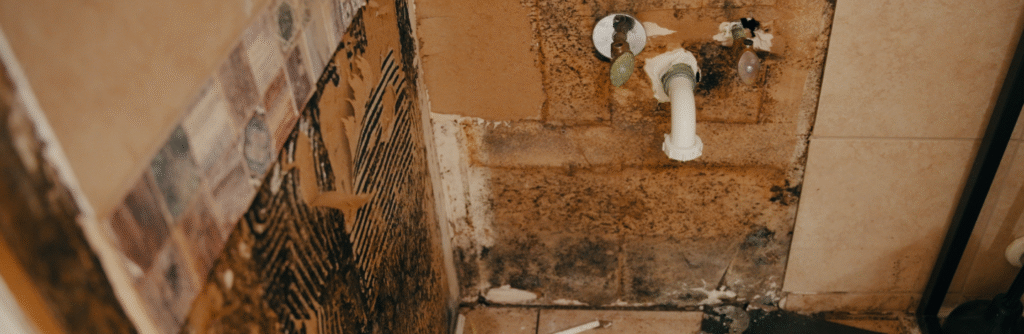
Check your basement perimeter at the wall-floor junction — the place where foundation moisture most often shows up first. Any new staining, efflorescence on concrete block, or soft spots in drywall are worth noting.
Look at the area around any window air conditioning units for condensation-related moisture getting into the wall or window frame.
None of these checks requires expertise — just attention. If something looks different than it did last fall, or if there is a musty smell that was not there before, trust that observation.
When to Call a Professional
If your home has a history of water intrusion, if you have found mold before, or if occupants are experiencing unexplained symptoms that seem to improve away from home, a professional assessment is worth having — especially in June when indoor mold conditions are most likely to be actively developing.
Ram Mold Pro handles mold assessments and remediation for homes throughout Dayton, Kettering, Centerville, Oakwood, Beavercreek, Springboro, Lebanon, and the wider Miami Valley region. Our team is IICRC-certified and follows ANSI/IICRC S520 protocols. We assess the areas homeowners cannot easily check themselves — wall cavities, crawl spaces, HVAC systems, and attic spaces — and give you a clear picture of what is actually in your home.
June is the right time to ask the question. Not in October after the damage has had all summer to develop.
888-609-6653
www.rammoldpro.com