“Ten square feet.” That’s roughly where the EPA draws the line between a mold spot most homeowners can safely handle themselves and one that calls for professional remediation. It’s a useful starting point, but square footage isn’t the only factor worth weighing.
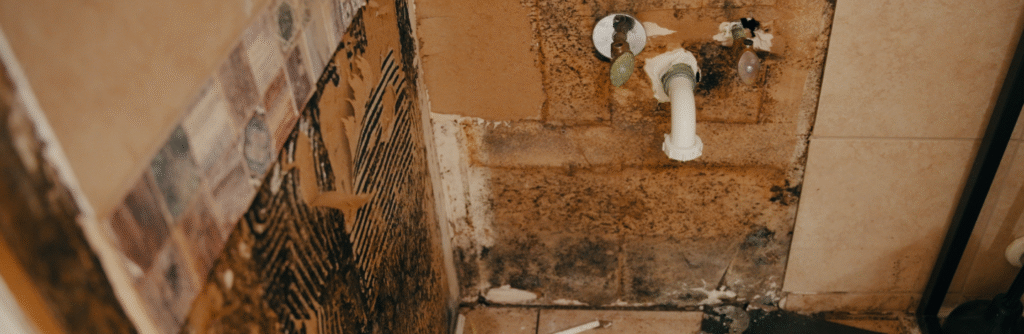
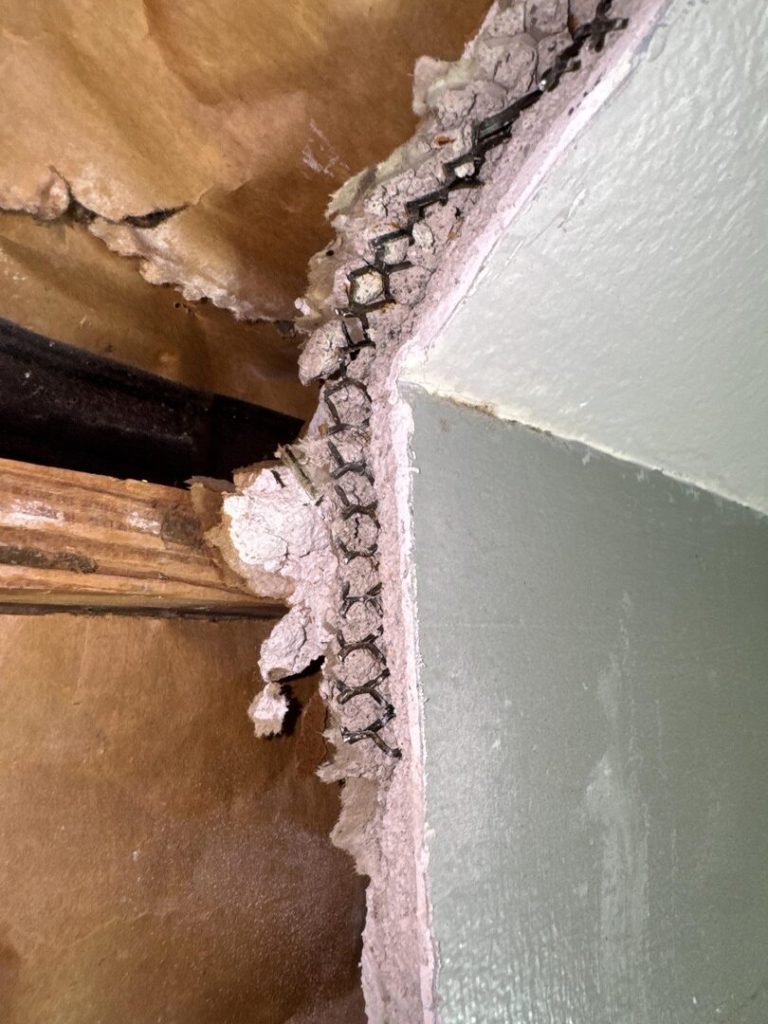
Surface type matters as much as size. Mold on a non-porous surface, like tile, glass, or a sealed countertop, can often be wiped down effectively with the right approach. Mold on a porous material, drywall, wood framing, insulation, carpet, behaves differently. Once it’s established in a porous surface, cleaning the visible growth doesn’t remove what’s underneath; the material typically needs to be removed and replaced rather than treated in place.
The other factor is how the mold got there and where it’s spread. A small, isolated spot with an obvious, already-fixed water source is a very different situation than mold that keeps reappearing, that’s inside a wall cavity, or that’s near HVAC ductwork. Running a system that has mold in or near it can distribute spores through every connected room before anyone notices a smell, which is one of the clearer signs a situation needs an assessment rather than a spray bottle.
For homeowners and property managers deciding which calls need an assessment versus a maintenance ticket, a rough gut check works: small, non-porous, one-time, no HVAC involvement usually points to DIY. Bigger, recurring, porous, or connected to shared air systems usually points to a professional evaluation first.
By the numbers:
- EPA guidance: mold-affected areas larger than about 10 square feet generally call for professional remediation rather than DIY cleanup.
- Porous materials (drywall, wood, insulation, carpet) that have absorbed mold typically need to be removed and replaced, not just cleaned.
- Running an HVAC system with mold present in or near it can distribute spores to every connected room in the building.
Source: EPA, “A Brief Guide to Mold, Moisture and Your Home”
Not sure which category a situation falls into? An assessment gives you a straight answer before you spend money on the wrong fix. Call 888-609-6653 or visit www.rammoldpro.com to schedule a consultation.