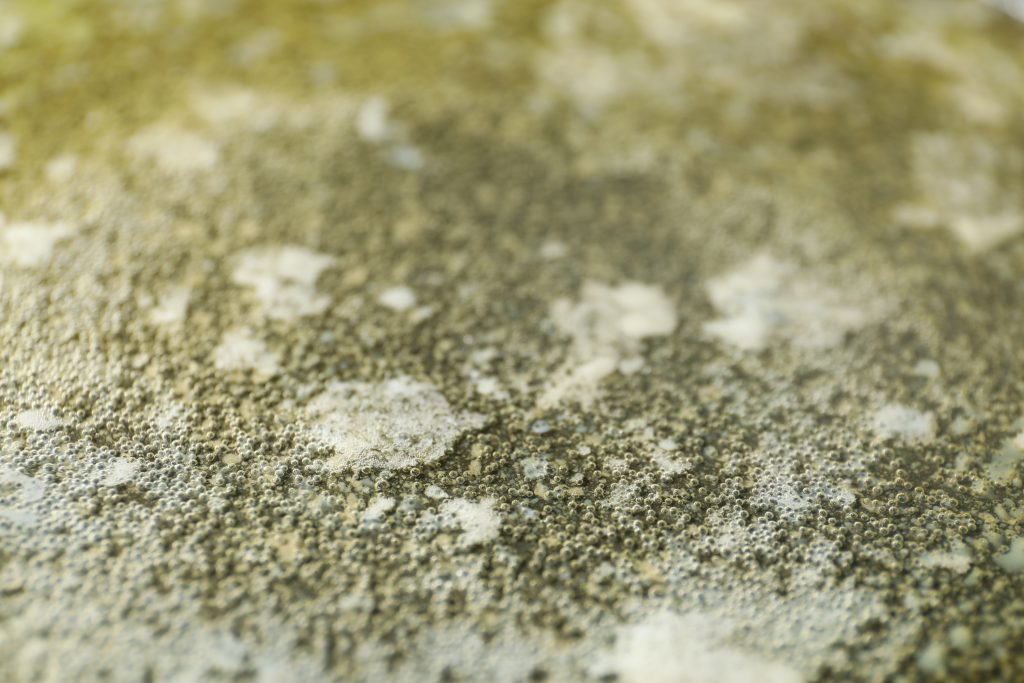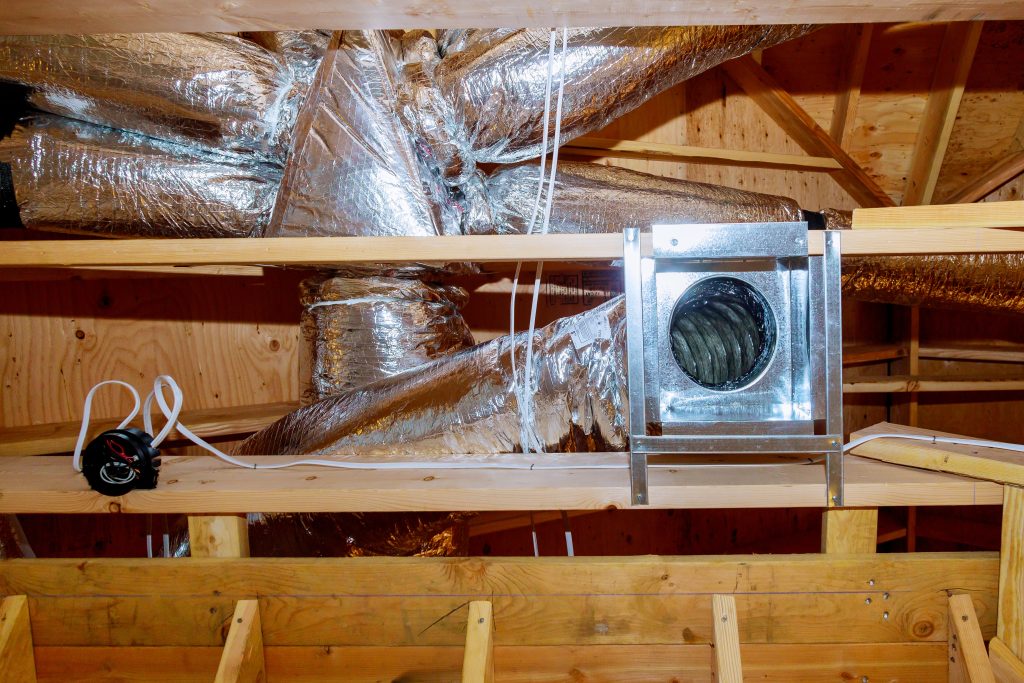
Most homeowners never look at their attic in summer, which is exactly the problem. On a hot July afternoon, a poorly ventilated attic can reach 140 to 160 degrees Fahrenheit — and that heat doesn’t stay dry. When hot, humid outside air moves into an attic space without enough airflow to carry it back out, moisture accumulates at the roof deck and rafters.
Building science research points to a specific danger zone: mold risk rises sharply once relative humidity at the roof sheathing lingers in the 70 to 85 percent range for extended periods, depending on temperature. Keep it below that window and mold has a much harder time taking hold.
The standard fix is ventilation, not insulation alone. Most codes call for roughly 1 square foot of net free vent area for every 150 square feet of attic floor, split between intake (soffit) and exhaust (ridge or gable) vents. When intake and exhaust are balanced, that ratio is sometimes relaxed — but an attic with blocked soffit vents or one-sided ventilation rarely gets there in practice.
Attic mold often goes unnoticed for a full season simply because nobody’s up there in July. Rising cooling bills, uneven upstairs temperatures, or a musty smell near the attic access are usually the first signs something’s off.
Ventilation upgrades help going forward, but if you want to know whether your attic already has a moisture problem, an assessment gives you a straight answer before you spend on a fix you don’t need. Call 888-609-6653 or visit RamMoldPro.com to schedule a consultation.
Dealing with water, fire or storm damage? Contact our sister company, Ram Restoration, at www.ramrestorationusa.com/contact/
Related reading
- Does Mold Risk Actually Go Down Once The Weather Turns Cooler?
- Is Your Thermostat Setting Creating Mold Risk While You’re Away?
- Does Closing Your Windows for the Season Quietly Raise Your Indoor Mold Risk?
- All Ram Mold Pro articles
FAQ’s
How hot can an attic get in summer?
Poorly ventilated attics can reach 140–160°F (and higher) during summer afternoons.
What attic humidity causes mold risk?
Mold risk rises sharply once relative humidity at the roof deck lingers between 70–85% for extended periods.
How much ventilation does an attic need?
Standard ventilation ratio: 1 sq ft net free vent area per 150 sq ft of attic floor (relaxed to 1:300 with balanced intake/exhaust).
Sources: Building science field research on vented vs. sealed attic performance; industry ventilation code standards (1:150 / 1:300 rule)