A single shower releases about half a pound of water vapor into the air — enough to spike bathroom humidity by 50 percent or more in a small, enclosed space. During a normal winter week, an exhaust fan and a few open minutes usually clear that moisture out. During a humid Ohio July, it’s a different equation: the outdoor air pulled in to ventilate the room is already carrying more moisture than usual, so the room takes longer to dry between uses.
Laundry rooms face a similar problem. A washer and dryer running back-to-back on a humid day adds heat and water vapor to a space that may not have dedicated ventilation at all.
The EPA’s mold-growth threshold — 60 percent relative humidity — is easy to cross in these rooms during summer, especially if the exhaust fan isn’t running long enough. Most guidance recommends running the fan during the shower and for at least 20 to 30 minutes after, since a properly used fan can cut bathroom humidity by as much as 40 percent within minutes.
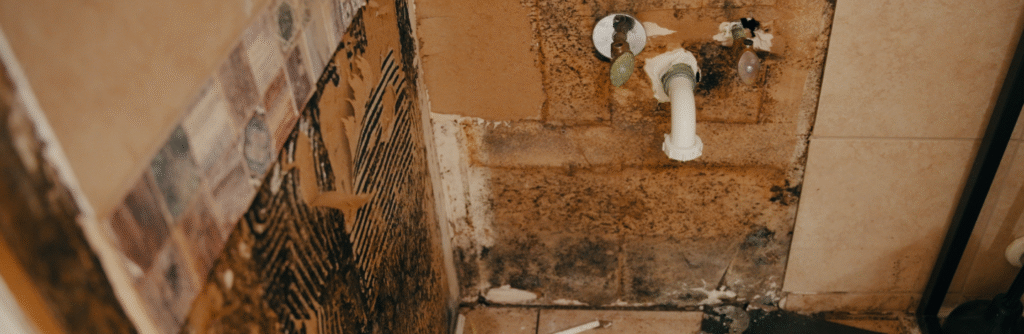
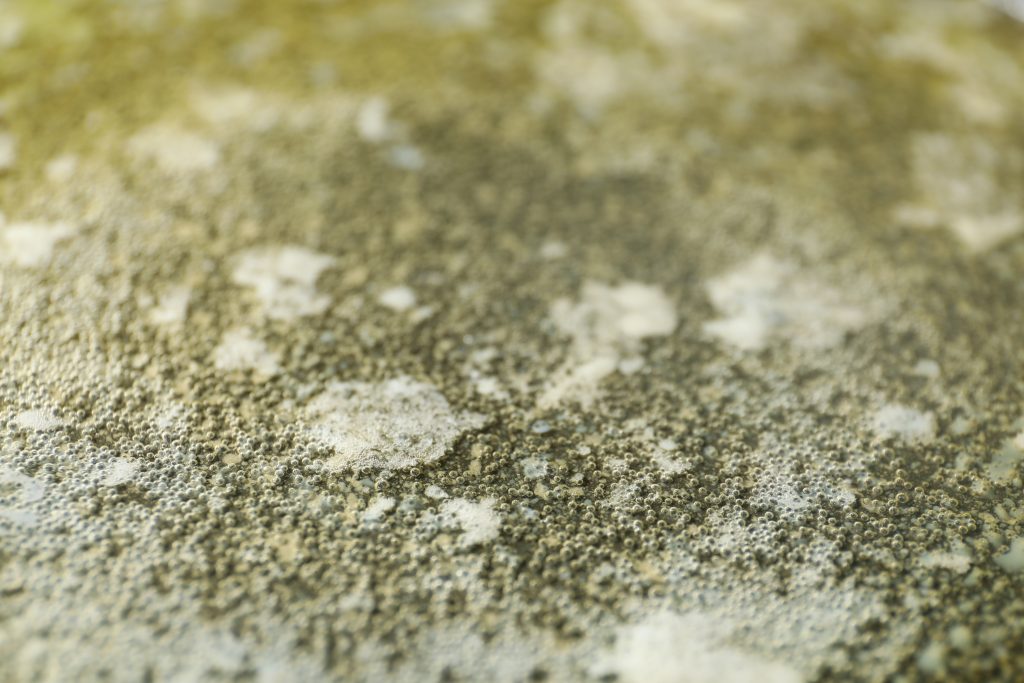
If a bathroom or laundry room consistently feels damp hours after use, or shows dark spotting around grout, baseboards, or drywall seams, that’s usually more than a ventilation timing issue. A professional assessment can confirm whether it’s surface-level or already established behind the wall.
By the numbers:
- A single shower can raise bathroom humidity by 50% or more.
- Running an exhaust fan during a shower and 20–30 minutes after can cut humidity by up to 40%.
- EPA threshold for mold-supportive conditions: 60% relative humidity (30–50% is ideal indoors).
Sources: EPA, “A Brief Guide to Mold, Moisture and Your Home”; HVAC/ventilation industry guidance on bathroom exhaust fan run-time
Running the fan longer helps, but it won’t fix moisture that’s already behind the wall. Call 888-609-6653 or visit RamMoldPro.com to get a straight answer