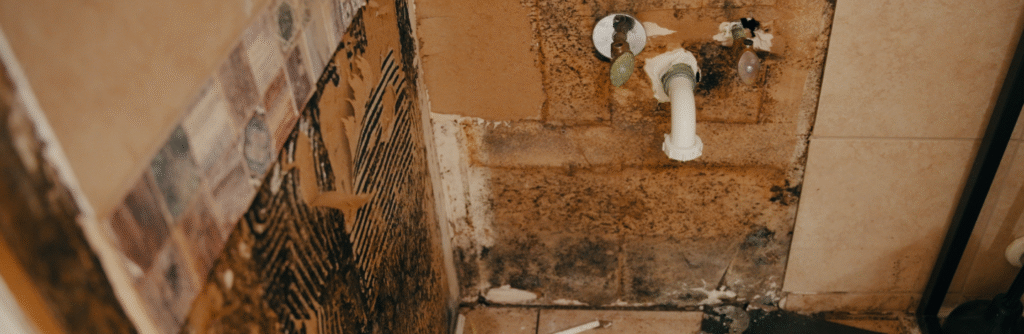
Every fall, homeowners get a wave of generic advice about “getting ready for the season,” most of it vague enough to apply to any month of the year. The EPA’s own mold-prevention guidance is more specific than that, and worth walking through directly, because several of these small maintenance items matter more right now, as the weather turns, than they do in the middle of summer.
The EPA’s core recommendation is a humidity target: keep indoor humidity below 60 percent, ideally between 30 and 50 percent. That’s not a summer-only number, but it gets harder to hit correctly once cooler weather closes windows and reduces natural air exchange, which is exactly why paying attention to it now, before the heating season is fully underway, actually matters.
Which of these actually matters most before the temperature drops?
Two items on the EPA’s list are specifically about water getting where it shouldn’t before winter makes it worse: clean and repair gutters regularly, and make sure the ground slopes away from the foundation so water doesn’t collect or enter around it. Both are the kind of maintenance that’s easy to skip in October and expensive to discover was skipped in February, once ice and snow add weight and block drainage a clogged gutter system can’t handle. The EPA is equally direct about condensation: cover cold-water pipes with insulation, since a pipe that sweats in a cooling house is doing the same thing a cold glass does on a humid day, just somewhere less visible.
The guidance also covers the appliances and fixtures that generate moisture year-round, and reviewing whether they’re set up correctly is a genuinely useful fall task. Clothes dryers, stoves, and similar appliances should vent to the outside, not into an attic or crawlspace. Bathroom fans should run during and after a shower, or a window should be opened. Air conditioning drip pans and drain lines should stay clean and unobstructed. None of this is complicated, but a five-minute check of each item catches problems while they’re still five-minute fixes.
Is this really different from what you should do year-round?
Mostly no, and that’s worth being honest about. Moisture control doesn’t reset seasonally. What changes is how forgiving the season is of small lapses. In summer, an open window or a running air conditioner corrects a lot of humidity problems without anyone doing anything intentional. Once windows close for the season, that free correction disappears, and the same minor issues, a half-clogged gutter, a slightly disconnected dryer vent, a drip pan holding more water than it should, stop correcting themselves and start compounding instead.
None of this is about assuming a specific problem is developing at a specific address. It’s a short, concrete list, straight from the EPA’s own guidance, worth running through once as the season turns, precisely because it’s the kind of list that’s easy to know about and easy to skip anyway.
By the numbers:
- EPA recommends keeping indoor humidity below 60 percent, ideally between 30 and 50 percent
- Materials still wet 24-48 hours after a leak or spill are likely to grow mold, per EPA guidance
- EPA specifically flags gutters, foundation grading, AC drip pans, and vented moisture-producing appliances as fall-relevant maintenance items
Sources: U.S. Environmental Protection Agency, “A Brief Guide to Mold, Moisture, and Your Home”
Want a second set of eyes on any of this before winter sets in? 888-609-6653 or www.rammoldpro.com