Now that the heavy rain has finally cleared out of the Dayton area, one question comes up more than any other: how long do we actually have before mold becomes a real problem? It’s a fair thing to ask, because the honest answer isn’t a single number, it’s a window, and what happens inside that window matters more than the countdown itself.
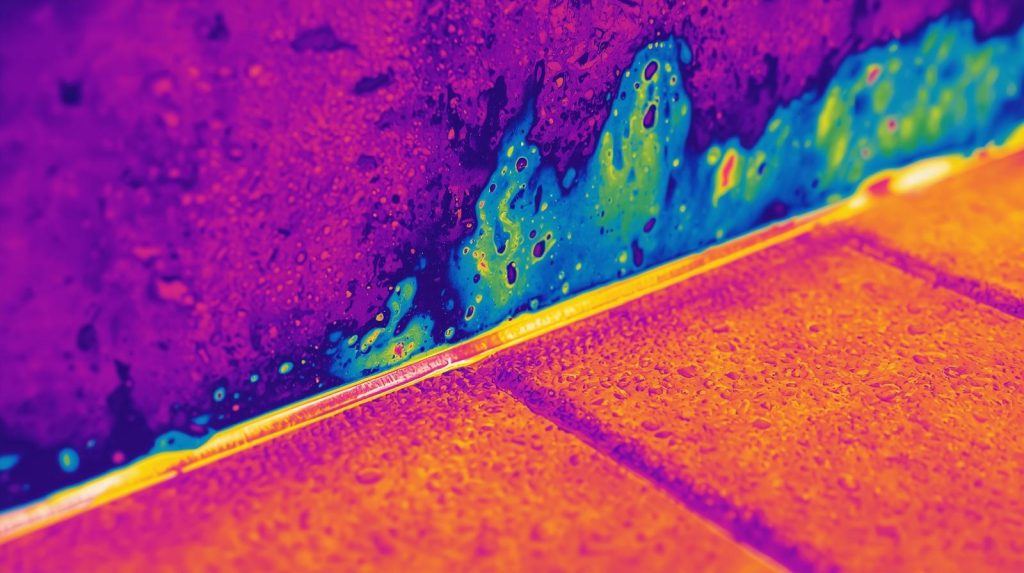
According to the EPA, water-damaged materials need to be dried within 24 to 48 hours to keep mold from establishing itself. Drywall, subfloor, and framing don’t dry at the same rate a countertop does, they can hold moisture well after a surface looks and feels dry. That’s the gap a moisture meter or thermal imaging camera is built to close: finding the water that’s still there, in the places a visual walkthrough alone would miss.
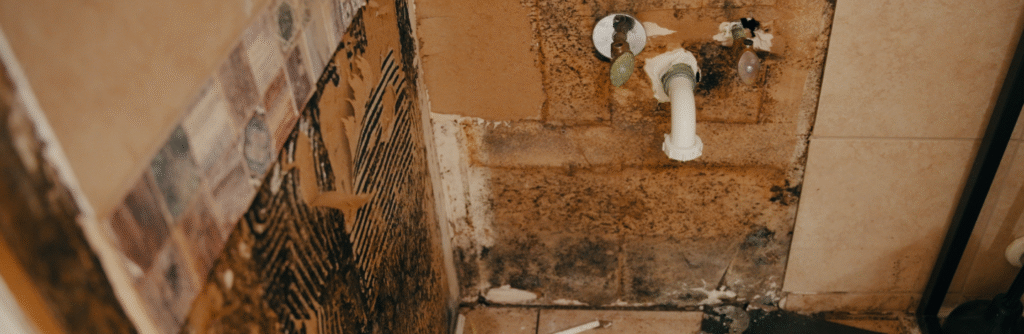
That gap matters because surface-dry isn’t the same as actually dry. Mold can begin establishing in wall cavities, insulation, and subfloor while the room above looks completely normal, and once it’s connected to shared ductwork, spores don’t stay contained to one room. The EPA also notes mold exposure is linked to allergy-type symptoms and can aggravate asthma in sensitive individuals, reason enough to treat “looks dry” as a starting point, not a conclusion.
If your home or business took on water during this stretch of rain, a leak, a damp basement, standing water near an exterior wall, the practical move is a moisture check of those specific areas now, while everything is still fresh, rather than waiting to see if a smell or a stain shows up later. Ram Mold Pro provides mold assessment and remediation services throughout the Dayton, Ohio area, built around finding trapped moisture before it becomes a bigger problem.
A question we hear often: will a dehumidifier take care of this on its own? A dehumidifier lowers the humidity in a room’s air, which helps, but it doesn’t reach moisture already absorbed into drywall, subfloor, or framing. That’s the moisture a proper assessment is built to find.
By the numbers:
- Water-damaged materials should be dried within 24-48 hours to prevent mold from taking hold
- Indoor relative humidity is best kept between 30-50%, and below 60% at all times
- Cleaning up visible mold without fixing the underlying moisture source means the problem is likely to come back
Source: U.S. Environmental Protection Agency, “A Brief Guide to Mold, Moisture, and Your Home”
If it’s been raining and you’re not sure whether moisture made it further than it looks, a Ram Mold Pro assessment can tell you for certain: 888-609-6653 or www.rammoldpro.com