There’s a moment every year when the first box of holiday decorations comes up from the basement or down from the attic, the flaps open, and along with the garland and the ornaments comes a smell. Not a strong one, usually. Just a faint, stale, closed-up smell that wasn’t there when everything was packed away last January. Most people air things out, plug in the lights and move on. It’s worth a few more minutes of attention, though, because that smell is a small piece of information about the space where your things spent the last ten months.
What does a musty smell on stored decorations actually mean?
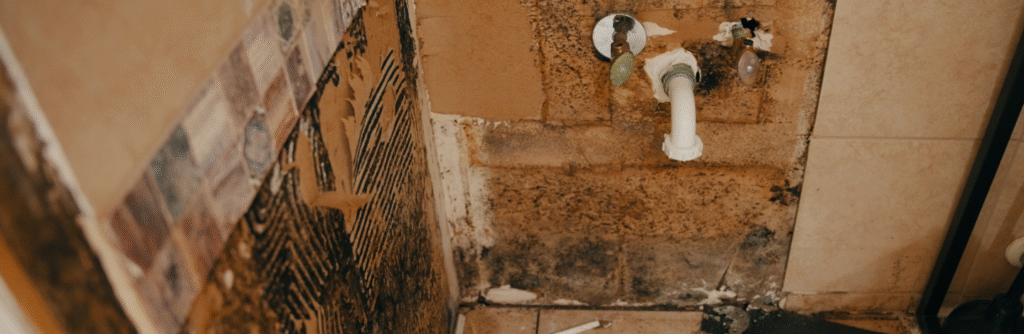
In most cases, it means the storage space has been holding more moisture than the items in it would like. The U.S. Environmental Protection Agency notes that you may suspect hidden mold “if a building smells moldy, but you cannot see the source.” A musty smell on decorations doesn’t automatically mean there’s visible growth on anything, but it’s a sign that moisture has been present long enough, and often enough, to affect how the space and its contents smell.
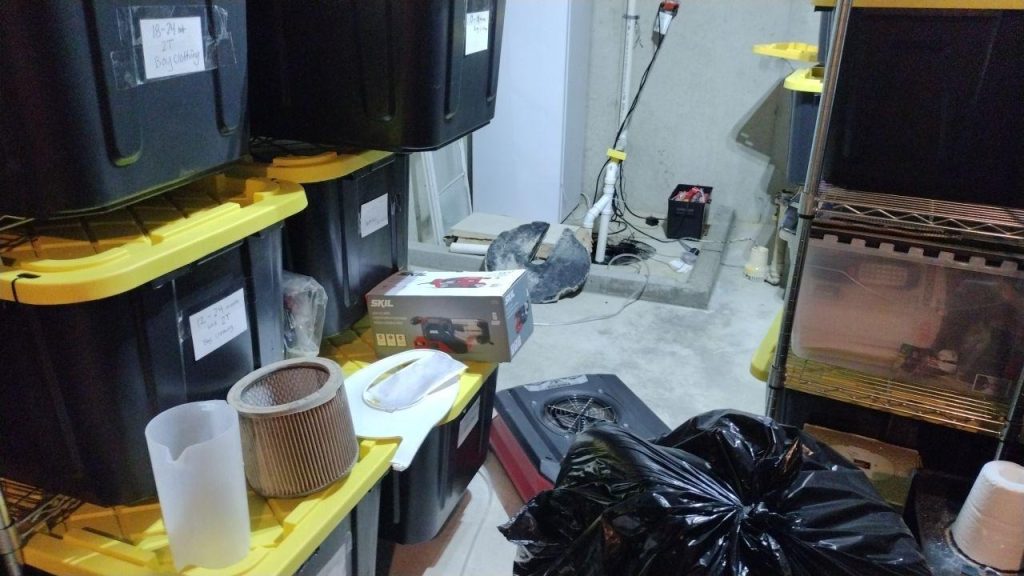
Holiday decorations are an especially good early-warning system because they sit untouched for most of the year. Nothing gets moved, aired out or used between January and November, so whatever conditions the storage area has, those boxes experience all of them, quietly, for months.
Why do basements, attics and garages tend to cause this?
Because they’re the parts of a home most likely to sit outside the comfortable humidity range. The EPA recommends keeping indoor humidity below 60 percent, and ideally between 30 and 50 percent. Living spaces that are heated, cooled and lived in usually stay close to that range on their own. Storage spaces often don’t.
In the Dayton area, a typical year gives storage spaces plenty to work with: humid summers, cool damp springs and falls, and basements that sit partly below ground, where cooler walls and floors can collect condensation. Attics swing the other way, with big temperature changes between day and night and between seasons. Garages see both, plus whatever snow and rain come in on the car. None of that is unusual. It’s just why the places we store things are often the places with the least stable conditions in the house.
Does it matter what the decorations are stored in?
Quite a bit. The EPA’s mold fact sheet notes that molds “can grow on almost anything including: wood, paper, carpet, foods, and insulation.” Many of the things that make holiday decorating feel traditional are made of exactly those materials: paper ornaments, fabric stockings and tree skirts, wooden figures, wreaths with natural materials, and the cardboard boxes many decorations are packed in.
Cardboard deserves a special mention. It’s convenient and it’s free, but it’s also absorbent paper, and a box sitting directly on a basement floor can draw up moisture from the concrete and hold it against whatever is inside. A sealed plastic bin, by contrast, doesn’t absorb moisture itself, though it still works best when the items going into it are completely dry.
What should you do if a box smells musty this year?
Start simple. Take the decorations out somewhere with good airflow and let them air out. Look closely at fabric, paper and natural materials for any spotting or discoloration, and at the box itself, especially the bottom and corners. Items that are only stale-smelling often freshen up once they’ve had some time in dry, moving air.
If you find visible spotting on porous items, or the box shows staining or softness at the bottom, that’s a sign the storage area itself deserves a closer look, not just the decorations. The EPA notes that porous materials that become moldy “may have to be thrown away,” and the same logic applies to a sentimental tree skirt or a paper ornament: some things can be cleaned, and some can’t.
How do you store decorations so they come out fresh next year?
A few habits make a real difference, and the best time to start them is when the decorations go back into storage after the holidays:
- Make sure everything is completely dry before packing it, especially anything that spent time outdoors, like wreaths, outdoor lights and yard decorations.
- Swap cardboard boxes for lidded plastic bins wherever possible.
- Get bins off the floor. A simple wire shelf or a couple of pallets keeps them away from the cool concrete where moisture collects.
- Leave a little space between stored items and exterior walls so air can move.
- Keep an inexpensive humidity meter (a hygrometer) in the storage area. If it regularly reads above 60 percent, the space itself needs attention, whether that’s a dehumidifier, better drainage outside or simply a different place to store the things you care about.
When is the smell a sign of something bigger?
If the musty smell isn’t just on the decorations but in the storage space itself, if it’s getting stronger from year to year, or if you see staining on walls, floors or the underside of shelving, the decorations are telling you about the room. That’s when a professional assessment is useful: not to sound an alarm, but to measure the moisture, find where it’s coming from and give you a clear picture of what, if anything, needs to be done. If the source turns out to be a leak or water damage, our sister company, Ram Restoration, handles that side of the work.
If the decorations came out musty again this year and you’d like to know why, we’re happy to take a measured look at your storage space: 888-609-6653 or www.rammoldpro.com
Dealing with water, fire or storm damage? Contact our sister company, Ram Restoration, at www.ramrestorationusa.com/contact/
Related reading
- Should You Keep Firewood Inside Your House?
- What Should You Actually Do As the Seasons Change, According to the EPA?
- How Long After Rain Does Mold Actually Start Growing In Your Dayton Home?
- All Ram Mold Pro articles
FAQ’s
What indoor humidity level helps prevent mold?
The EPA recommends keeping indoor humidity below 60 percent, ideally between 30 and 50 percent.
What materials can mold grow on?
The EPA notes that molds “can grow on almost anything,” including wood, paper, carpet and insulation, all common materials in holiday decorations and the boxes they’re stored in.
How can you tell if there’s hidden mold?
The EPA advises that you may suspect hidden mold “if a building smells moldy, but you cannot see the source.”
Sources: U.S. Environmental Protection Agency, “A Brief Guide to Mold, Moisture and Your Home”; U.S. Environmental Protection Agency, “Mold Remediation in Schools and Commercial Buildings” fact sheet