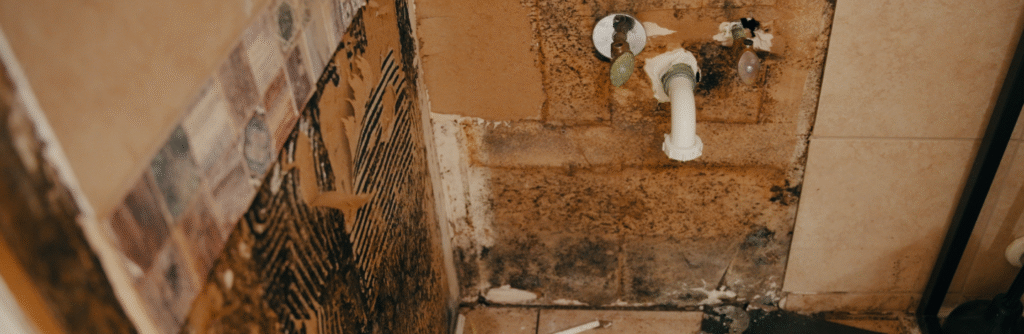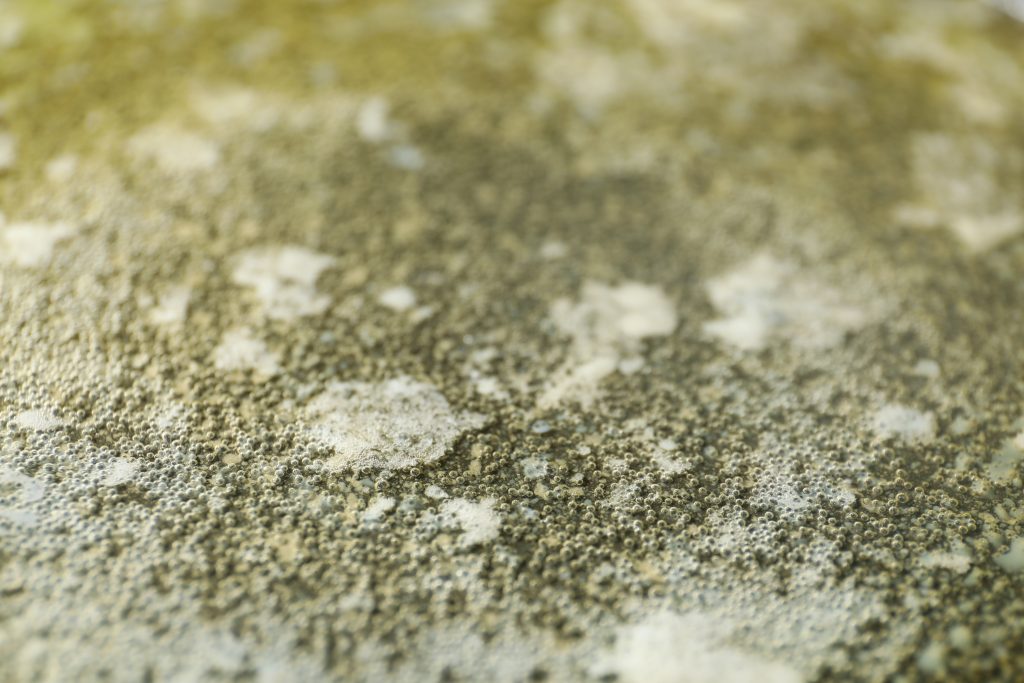
No leak, no flood, no obvious water event — and the basement still smells musty by mid-July. In Dayton and the Miami Valley, this is less mysterious than it feels.
Summer humidity in the region regularly runs in the high 70s to low 80s percent range. Basements are naturally cooler than the rest of the house, and when warm, humid outdoor air meets those cooler surfaces, condensation forms on walls, pipes, and concrete floors. That moisture doesn’t need a storm or a leak — it only needs a hot, humid week, and Dayton gets plenty of those in July.
The EPA’s guidance is consistent regardless of the moisture source: relative humidity above 60 percent supports mold growth on organic material, and ideal indoor humidity sits between 30 and 50 percent. Basements, finished or not, are often the first room in a house to cross that line during peak summer, simply because they’re the coolest surface humid air can find.
A portable dehumidifier helps, but it isn’t always enough if the basement lacks ventilation or has an ongoing moisture source, like a sump pump area or an unsealed foundation wall. If a basement consistently smells musty in summer regardless of dehumidifier use, that’s usually a sign of a moisture source worth identifying rather than masking.
By the numbers:
- Dayton-area relative humidity typically runs 79–81% through June, July, and August.
- EPA guidance: keep indoor relative humidity below 60% (30–50% ideal) to prevent mold growth.
- Basements are often the first space in a home to cross that threshold — they hold the coolest surfaces in the house.
Sources: EPA, “A Brief Guide to Mold, Moisture and Your Home”; regional climate averages (Dayton, OH)
A dehumidifier treats the symptom. If you want to know the actual source, a moisture mapping assessment gives you a straight answer. Call 888-609-6653 or visit RamMoldPro.com.