With Dayton’s air conditioners running nonstop through July, plenty of homeowners assume the AC is solving their humidity problem. Often it is — until the unit itself becomes the source.
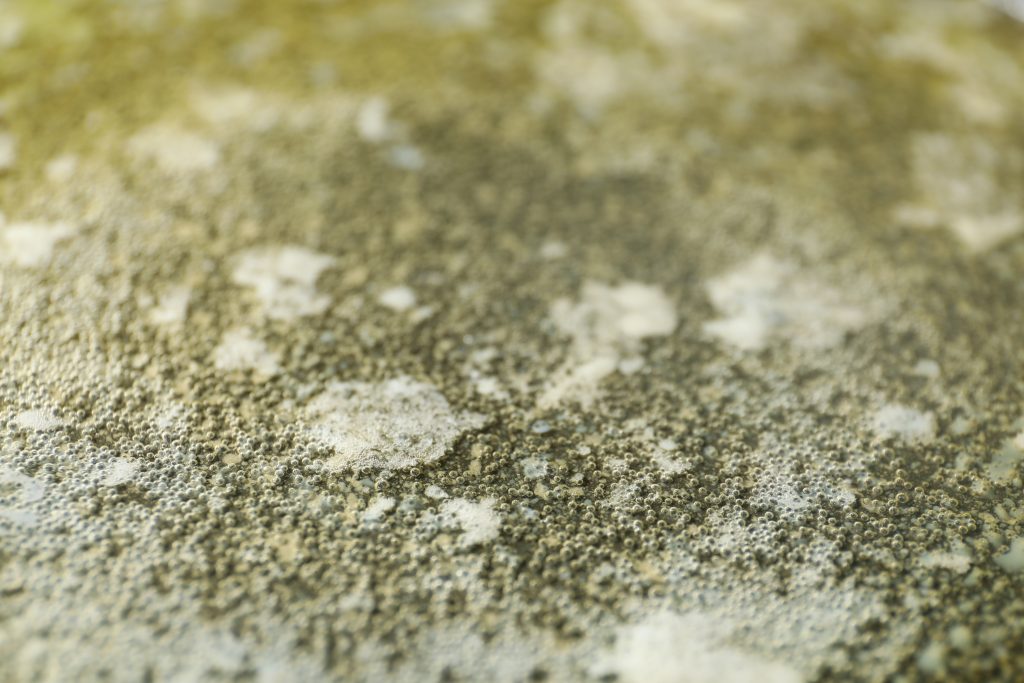
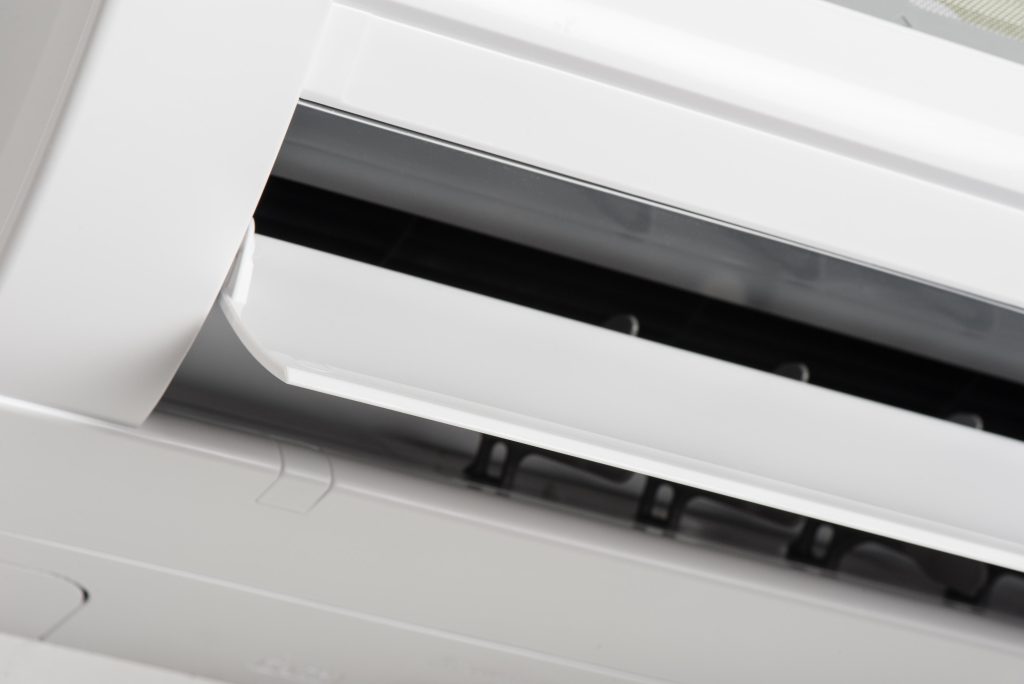
Every air conditioner pulls moisture from indoor air and channels it through a condensate drain line into a drip pan. When that line clogs, a common summer service issue, water backs up and sits in the pan: dark, undisturbed, and at a comfortable temperature. That’s close to an ideal environment for mold.
The EPA notes that indoor relative humidity above 60 percent creates conditions where mold can grow on organic material with dust or debris present. A clogged condensate line can push a small, enclosed space well past that threshold before anyone notices anything wrong. Because that moisture sits inside equipment connected to your ductwork, spores can travel through the HVAC system to other rooms before a musty smell ever gives it away.
The fix starts with prevention. An annual AC service that includes a condensate line check catches most of these issues early. If you’re noticing a musty smell near a vent or return, that’s worth a professional look rather than a guess — a proper assessment tells you what’s actually happening inside the system, not just what it smells like.
By the numbers:
- Indoor relative humidity above 60% is the EPA’s threshold for mold-supportive conditions (ideal range: 30–50%).
- Standing water in a clogged AC drip pan can reach mold-supportive conditions within 24–48 hours.
- A clogged condensate drain line is among the most common AC service issues during peak cooling season.
Source: EPA, “A Brief Guide to Mold, Moisture and Your Home” (epa.gov/mold)
Not sure whether it’s your AC or something else? A professional assessment gives you a straight answer either way. Call 888-609-6653 or visit RamMoldPro.com to get started