With fall arriving, a natural assumption is that mold problems wind down once summer’s heat and humidity ease off. It’s a reasonable-sounding assumption, and it’s not quite right, according to the same fungal biology that governs how mold behaves in the first place.
Does mold actually die once it gets cold?
Not usually. Kansas State University Research and Extension’s guidance on mold growth is direct about the mechanism: “When the relative humidity is low, the temperature is too high or too low, or the organic material is gone, molds go dormant. But when the relative humidity gets high, they can regenerate.” Dormant is the operative word, not dead. A cold, dry stretch can pause visible growth without eliminating the colony that produced it, and that colony is fully capable of picking back up once conditions shift back in its favor.
The same guidance notes mold grows best between 77 and 86 degrees Fahrenheit, though some growth can occur anywhere from 32 to 95 degrees. That’s a wide enough range that a typical Dayton-area basement, garage, or crawlspace rarely gets cold enough for long enough to fully halt an existing colony, even during the coldest months of the year.
So what does that mean for something that showed up over the summer?
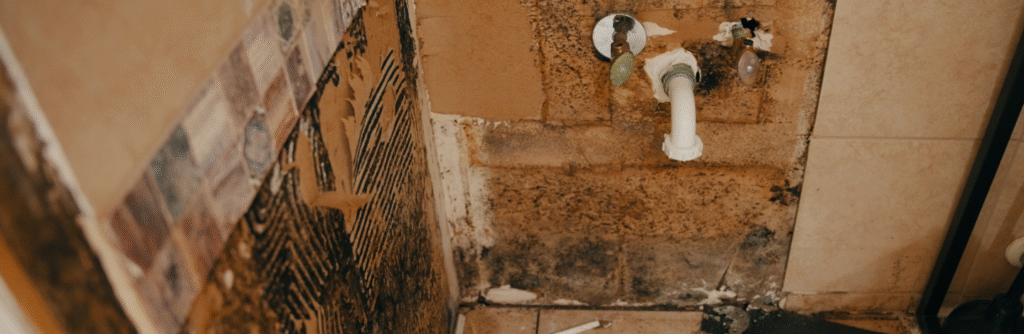
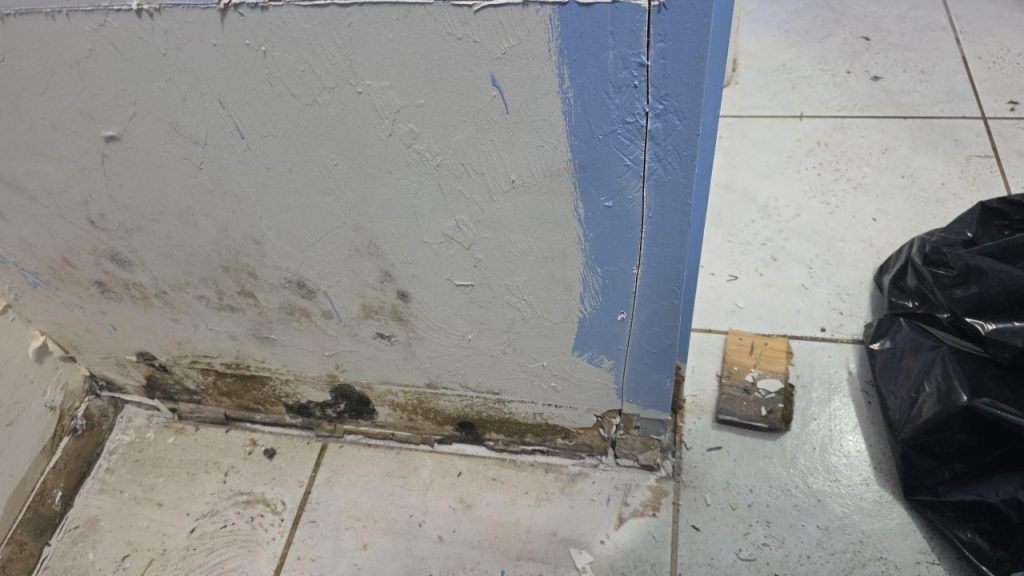
It means a mold finding from August doesn’t resolve itself just because October arrived. If the underlying moisture source, a slow leak, a humid crawlspace, condensation on an uninsulated pipe, is still there, dormancy is a pause, not a fix. EPA’s own guidance on this point is blunt: if you clean up the mold but don’t fix the water problem, the mold problem will most likely come back, and that logic doesn’t stop applying just because the calendar changed. A colony that goes quiet through a cold snap is still positioned to regenerate the moment humidity rises again, whether that’s an unusually warm, damp stretch in November or the return of consistent indoor moisture once the furnace kicks on and the whole house’s humidity balance shifts.
This is also why “it looks dried out” is a genuinely unreliable signal on its own. Dried-looking growth on a wood stud or behind a baseboard, the kind of surface staining that stops actively spreading in cool, dry weather, still represents an established colony rather than a resolved one. Confirming which one it is comes down to identifying and addressing the actual moisture source, not waiting out a seasonal lull and hoping the cold did the job.
If something you noticed months ago is still there, cold weather isn’t the fix: 888-609-6653 or www.rammoldpro.com
Dealing with water, fire or storm damage? Contact our sister company, Ram Restoration, at www.ramrestorationusa.com/contact/
Related reading
- Why Does Mold Keep Coming Back After You’ve Already Cleaned It Up?
- The Dayton Fall Transition, By the Numbers, and What It Means Indoors
- Why Do Ohio Basements Get Musty In July Even Without A Flood?
- All Ram Mold Pro articles
FAQ’s
Does cold weather kill mold?
Mold typically goes dormant, not dead, in cold, dry, or otherwise unfavorable conditions, and can regenerate once moisture returns, per Kansas State Research and Extension.
What temperatures does mold grow in?
Mold grows best between 77-86°F, though some growth can occur between 32-95°F, per the same guidance.
Will mold come back if the moisture source isn’t fixed?
Per EPA guidance, cleaning up visible mold without fixing the underlying moisture source means the mold problem will most likely return.
Sources: Kansas State Research and Extension, “Controlling Mold Growth in the Home”; U.S. Environmental Protection Agency, “A Brief Guide to Mold, Moisture, and Your Home”