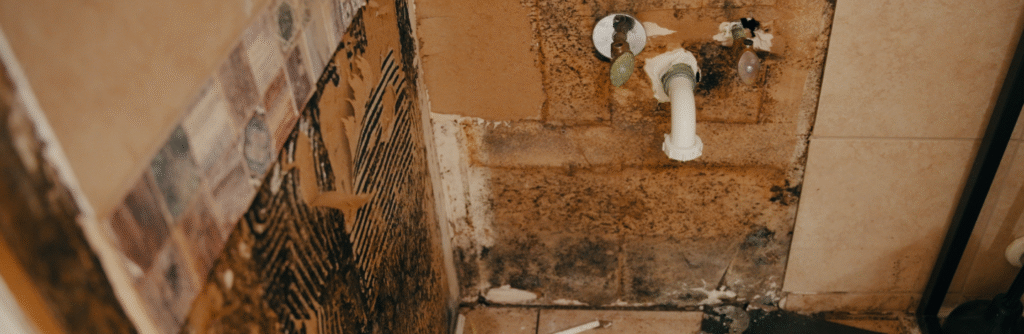
Bleach is still the first thing most people reach for when they find mold, and it’s largely the wrong tool for the job. The EPA does not recommend bleach as a routine method for mold cleanup, and the reason comes down to basic chemistry.
Bleach is mostly water, and its active ingredient doesn’t absorb into porous materials like drywall, wood, grout, or insulation, no matter how much you apply or how long you let it sit. On a non-porous surface like tile or glass, it can be reasonably effective. On porous material, which is where mold most often actually establishes itself, it bleaches the visible color out of the surface while leaving the organism intact just beneath it. The spot looks resolved. It isn’t.
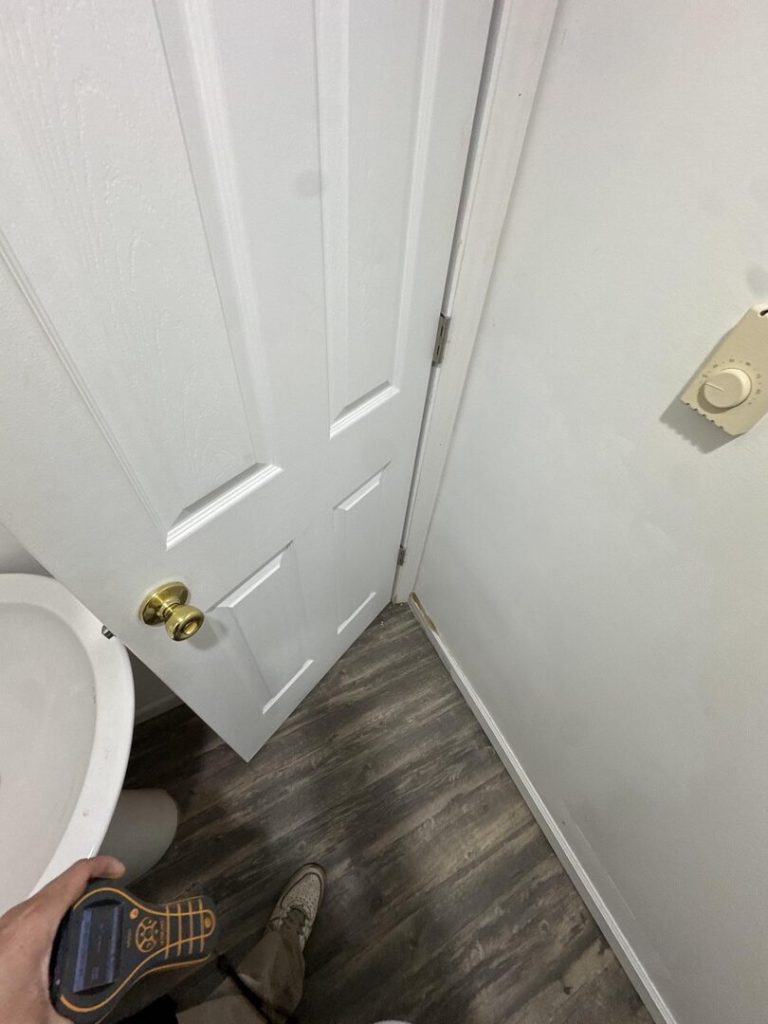
That gap between “looks clean” and “is clean” matters operationally. A surface that’s been bleached can pass a casual walkthrough while the underlying growth is still active, which delays the point at which an actual remediation plan gets started, sometimes for months, while the problem continues underneath a bleached-white patch of drywall.
The more reliable approach treats the material and the moisture source together: removing what’s actually affected rather than trying to sanitize it in place, and fixing whatever’s kept that spot damp in the first place. Skipping either half of that leaves the door open for the same problem to return.
By the numbers:
- The EPA does not recommend bleach as a routine mold cleanup method.
- Bleach doesn’t absorb into porous materials like drywall, wood, or grout deep enough to reach active growth.
- A bleached surface can look resolved while the underlying mold remains active.
Source: EPA, “Should I Use Bleach to Clean Up Mold?”
Already tried bleach and the spot came back? That’s expected, not unusual. Call 888-609-6653 or visit www.rammoldpro.com to schedule a consultation.