“Mold” and “mildew” get used interchangeably, but the overlap is in the language, not the biology. Knowing which one you’re actually looking at changes what you should do about it.
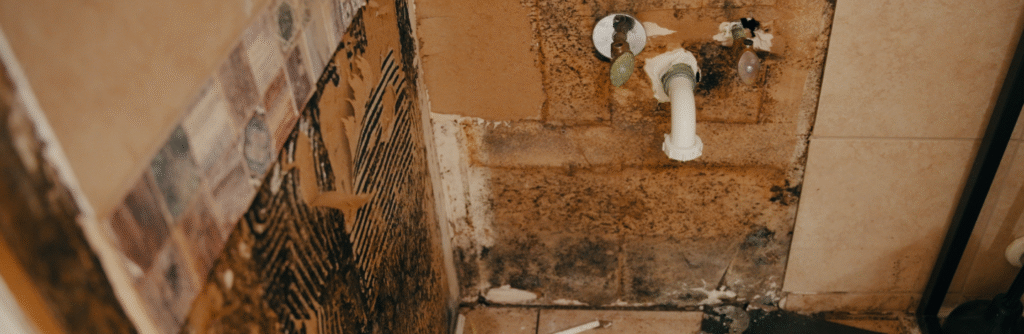
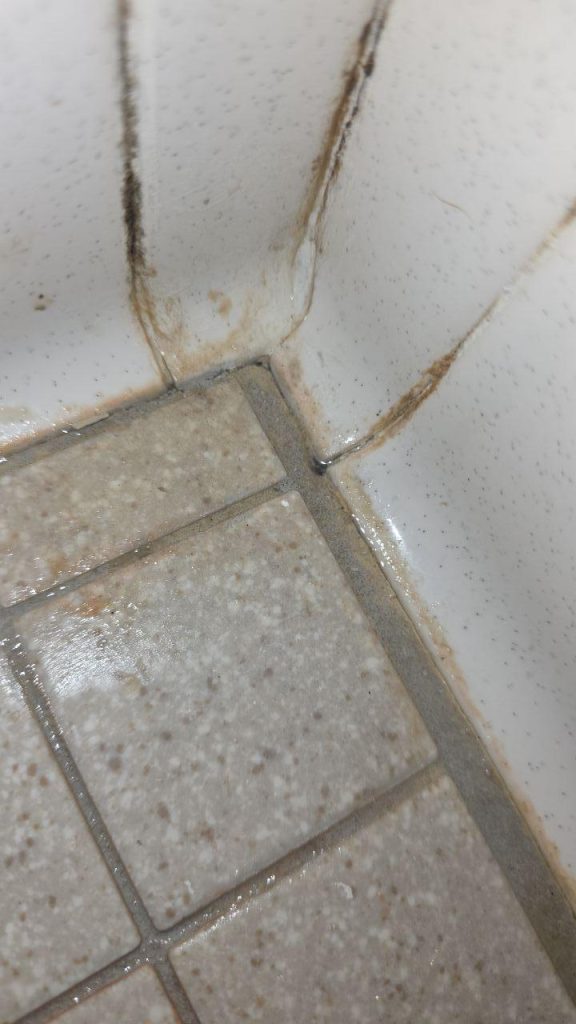
Mildew usually refers to a surface-level fungal growth, often powdery white or grayish, common on damp tile, grout, or other non-porous surfaces. Mold is a much broader category of fungi that can appear in many colors and, unlike mildew, can penetrate porous material rather than just sitting on top of it.
Because mildew stays on the surface, routine cleaning products generally handle it. Mold that’s worked its way into a porous material, drywall, wood, insulation, usually doesn’t respond the same way to surface cleaning, since the growth isn’t confined to the part you can wipe.
So the distinction that actually matters isn’t which word gets used, it’s whether the growth is on a surface or inside it. That’s what determines whether a household cleaner is enough, or whether it’s worth a closer look.
By the numbers:
- Mildew is generally a surface-level fungal growth; mold covers a broader range of fungi capable of penetrating porous material.
- Surface-level growth on non-porous surfaces (tile, glass) often responds to routine cleaning; growth that’s penetrated a porous material typically doesn’t.
- The distinction that determines the right response isn’t the label used, it’s whether growth is confined to a surface or has moved into the material itself.
Source: EPA/CDC general guidance distinguishing surface-level mildew from mold growth in building materials.
Not sure whether what you’re looking at is a quick wipe-down or something more? Call 888-609-6653 or visit www.rammoldpro.com to schedule a consultation.