Cooler nights are settling in around Dayton, which means furnaces are about to run for the first time in months. If your house gets a brief musty smell the first time the heat kicks on this fall, it’s worth knowing what’s actually causing it instead of just waiting for it to pass.
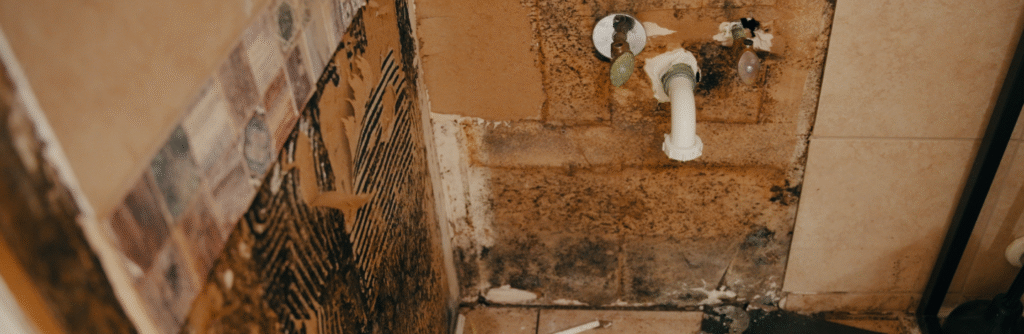
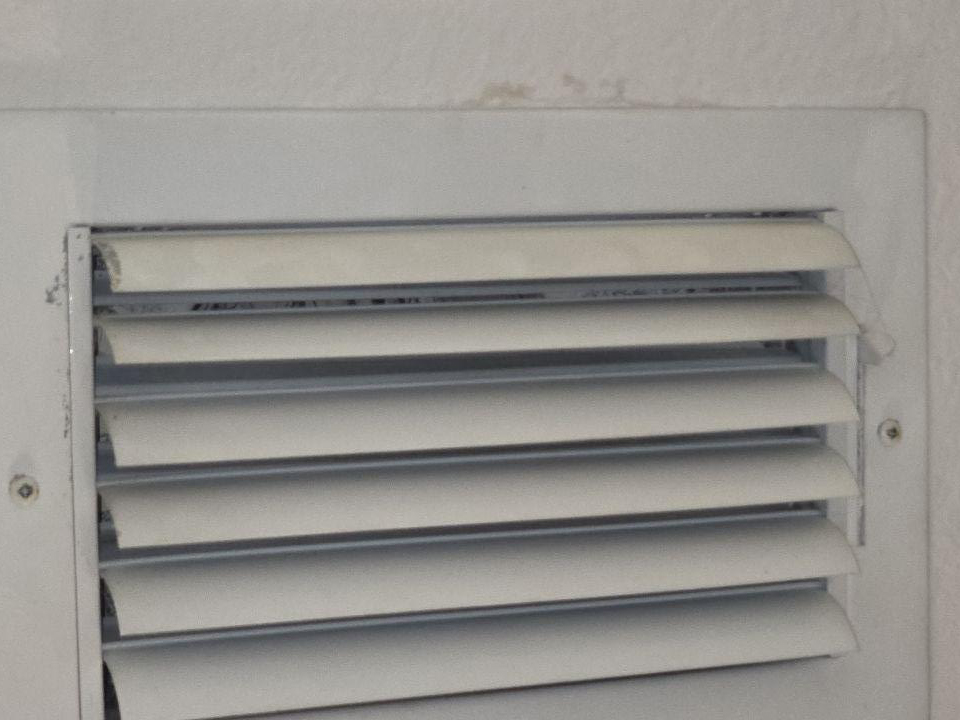
During the cooling season, condensation on an evaporator coil, or humidity that settles inside ductwork, creates conditions mold can grow in, inside a system that then sits mostly idle for weeks. When the furnace runs for the first time, it pushes that air through every duct in the house at once, which is exactly why the smell shows up in multiple rooms rather than staying near one vent.
It’s easy to find advice online that treats this as a simple dusty-filter problem, something a new filter and a quick spray-on treatment resolves in a few minutes. That kind of fix might clear a surface-level dust smell, but it doesn’t tell you anything about what’s actually happening inside the system, and a furnace and its ductwork are a shared-air pathway to every room in the house, so whatever’s growing at the source doesn’t stay at the source, it travels with the air.
That’s worth taking seriously precisely because of how connected the system is. Ram Mold Pro’s mold assessment and remediation services for homes throughout the Dayton, Ohio area include HVAC-connected inspection, using EMT (Extreme Microbial Technology) to treat the whole system a home shares, not just the one register the smell happens to be strongest at.
A question we hear often: isn’t that furnace smell just dust burning off? Sometimes, and it usually fades within a few minutes. If it’s more musty or earthy than dusty, or it lingers well past the first few minutes of running, that’s a better reason to have the system actually looked at than to assume it’s harmless.
By the numbers:
- A furnace or AC system distributes air, and anything growing inside it, to every room it’s ducted to
- HVAC-related mold commonly forms where warm air meets a cool surface, such as an evaporator coil, creating condensation
- Recognized signs of HVAC-related mold include a persistent musty odor when the system runs, visible dark patches on ductwork, and water stains near vents
Sources: general HVAC industry guidance on furnace/AC-related mold; U.S. Environmental Protection Agency, “A Brief Guide to Mold, Moisture, and Your Home”
If the furnace smell in your house is more than dust, we can look at the whole system, not just the filter: 888-609-6653 or www.rammoldpro.com