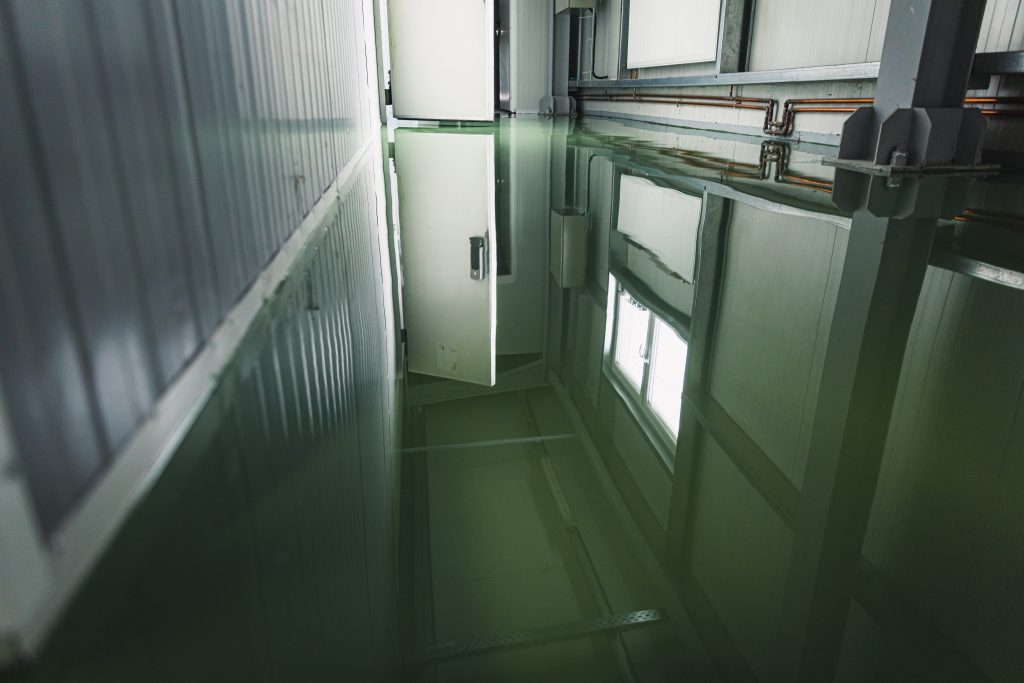
Cincinnati’s Metropolitan Sewer District has been clear about one thing since the July 17 storm: the system didn’t fail, it was hit with more water than any combined sewer system is built to handle. More than 900 sewer backup reports came in from across the region during that storm alone, on top of the surface flash flooding in neighborhoods like Oakley and Hyde Park. For anyone dealing with the aftermath, that distinction, clean rainwater versus water that came up through a sewer line, matters more than it might seem.
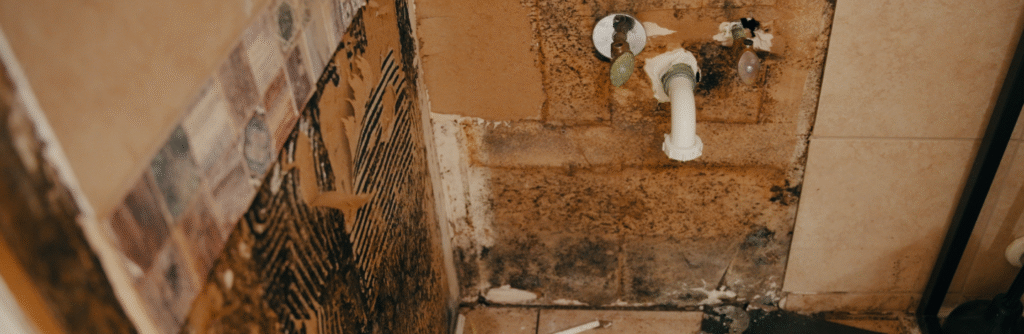
Floodwater that’s backed up through a sewer system, sometimes called contaminated or “black water” flooding, carries bacteria and other contaminants that clean rainwater doesn’t. That changes the cleanup itself: materials that touched sewer-contaminated water generally need to be handled differently than materials that just got wet from rain, and porous materials, carpet, drywall, upholstered furniture, that absorbed contaminated water typically can’t be cleaned and kept; they need to be removed. Attempting to DIY-clean a space that took on sewer backup carries a different risk profile than mopping up clean water, which is part of why this kind of cleanup is generally best handled by people equipped for it rather than treated like an oversized spill.
For the commercial and multi-unit properties on Cincinnati’s East Side that reported flooding this month, whether it was a business on Madison Road or a multi-unit building near Duck Creek, this distinction is also a documentation issue: knowing whether water came from surface flooding, a sewer backup, or both affects both the cleanup plan and, in some cases, what’s eligible for insurance or municipal claims tied to the sewer system itself.
By the numbers:
- More than 900 sewer backup reports were filed with Cincinnati’s Metropolitan Sewer District during the July 17 storm alone.
- Floodwater that has backed up through a sewer system is generally treated as contaminated, requiring different handling than clean rainwater.
- Porous materials that absorbed contaminated floodwater typically need to be removed rather than cleaned and kept.
Source: Cincinnati Metropolitan Sewer District; general water categorization guidance for flood and sewer-backup cleanup
Not sure whether what came into your building was rainwater, sewer backup, or both? That distinction changes the cleanup plan, and it’s worth getting a straight answer. Call 888-609-6653 or visit www.rammoldpro.com to schedule an assessment.