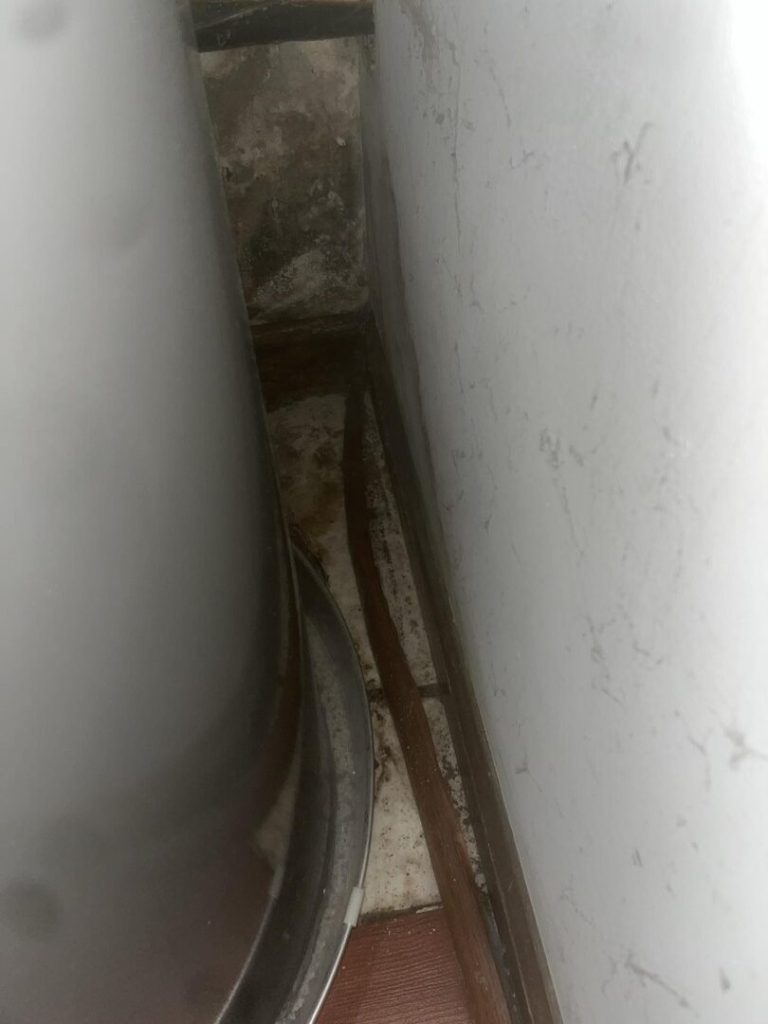
Everyday Habits That Quietly Feed Mold Growth
Most mold problems start small: an indoor-vented dryer, an unused bathroom fan, a leak nobody’s fixed yet. Here’s what to check.

Most mold problems start small: an indoor-vented dryer, an unused bathroom fan, a leak nobody’s fixed yet. Here’s what to check.
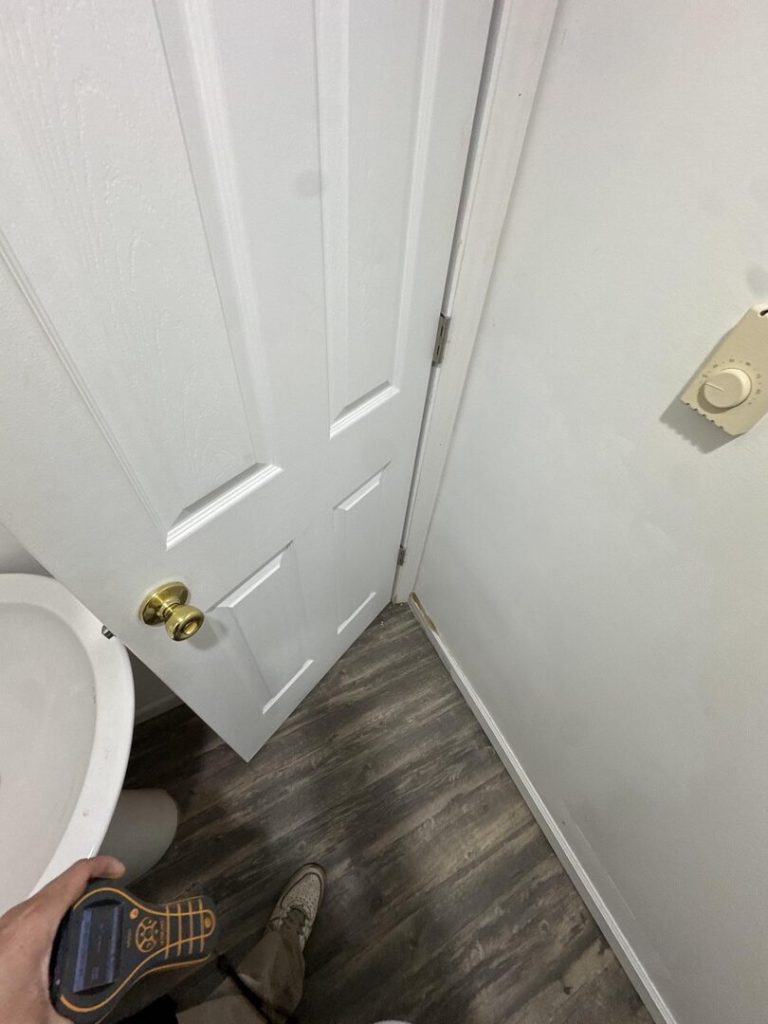
Bleach doesn’t kill mold, it just bleaches the color out. Here’s why the EPA doesn’t recommend it, and what actually needs to happen instead.

Mold near a vent and the system still running? That’s one of the fastest ways to spread it. Here’s why shutting it down first is the safer call.
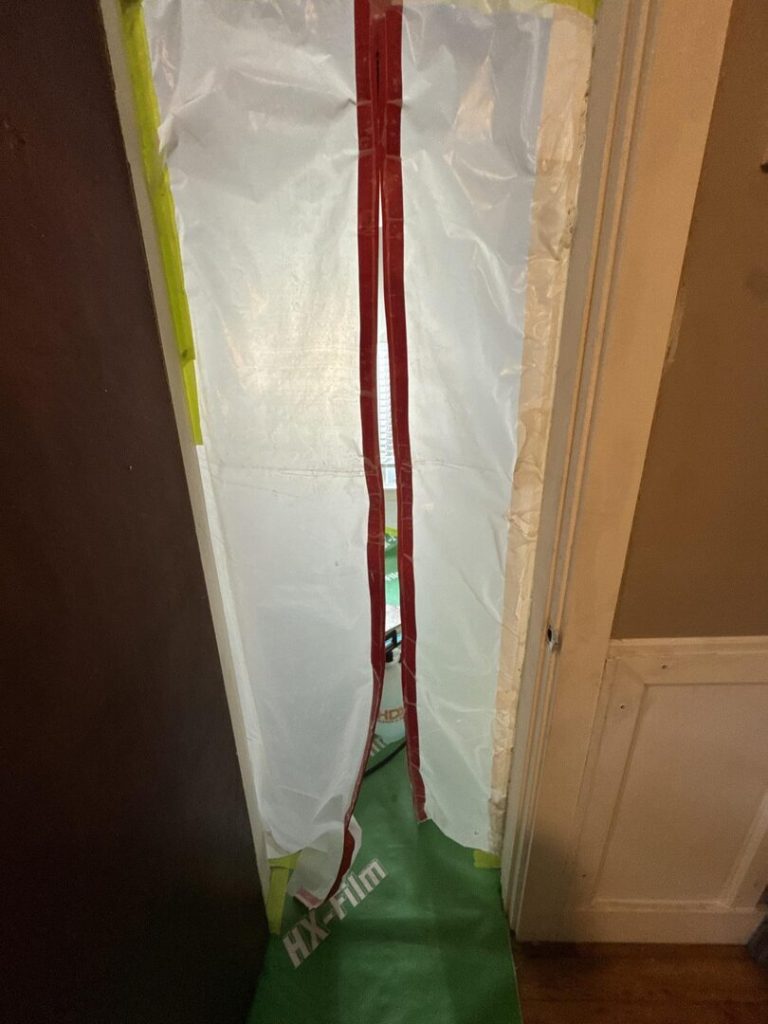
The ANSI/IICRC S520 mold remediation standard just got its biggest update in years, and it’s now cited in federal housing law. Here’s what that means.
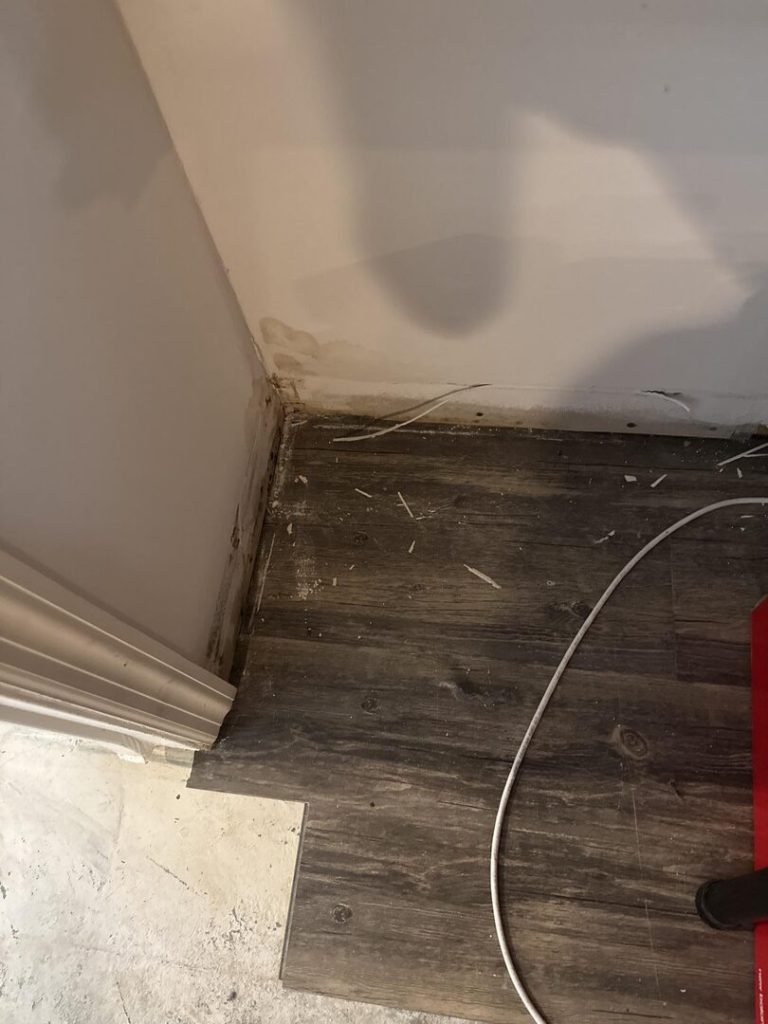
If mold keeps coming back after cleaning, the cleaning isn’t the problem. Here’s how to find what’s actually feeding it
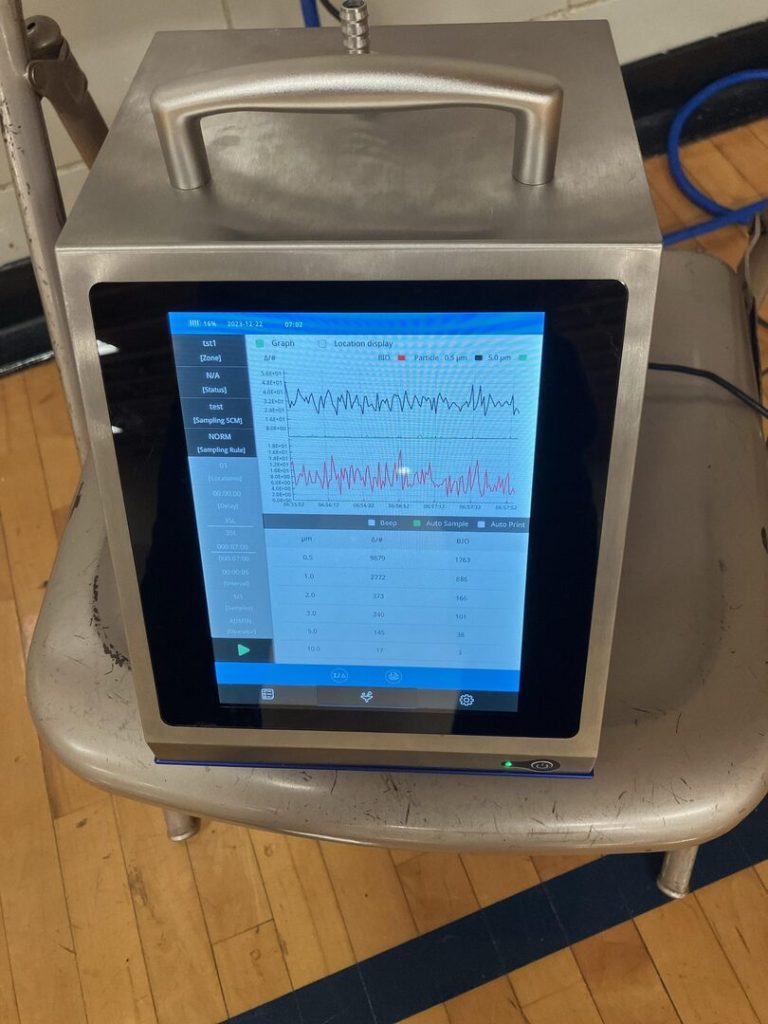
Mold testing and mold inspection aren’t the same thing. Here’s what each one actually tells you, and which one most situations need first.
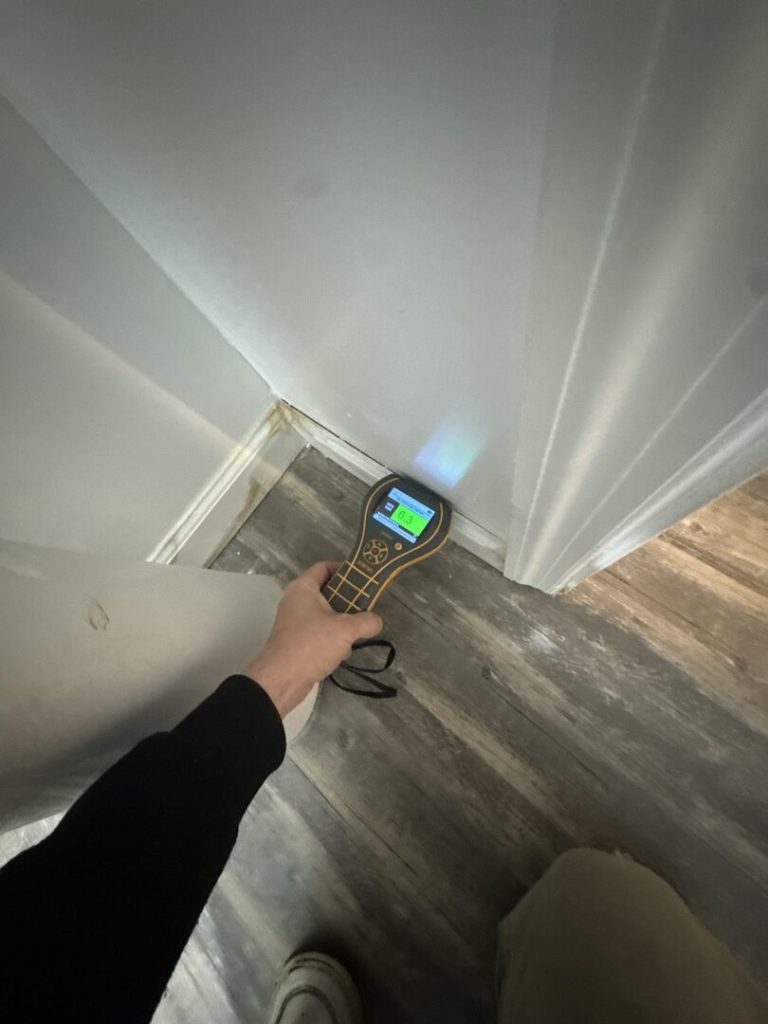
Most mold claims are denied over documentation, not the mold itself. Here’s what to photograph and when to report it before cleanup begins.
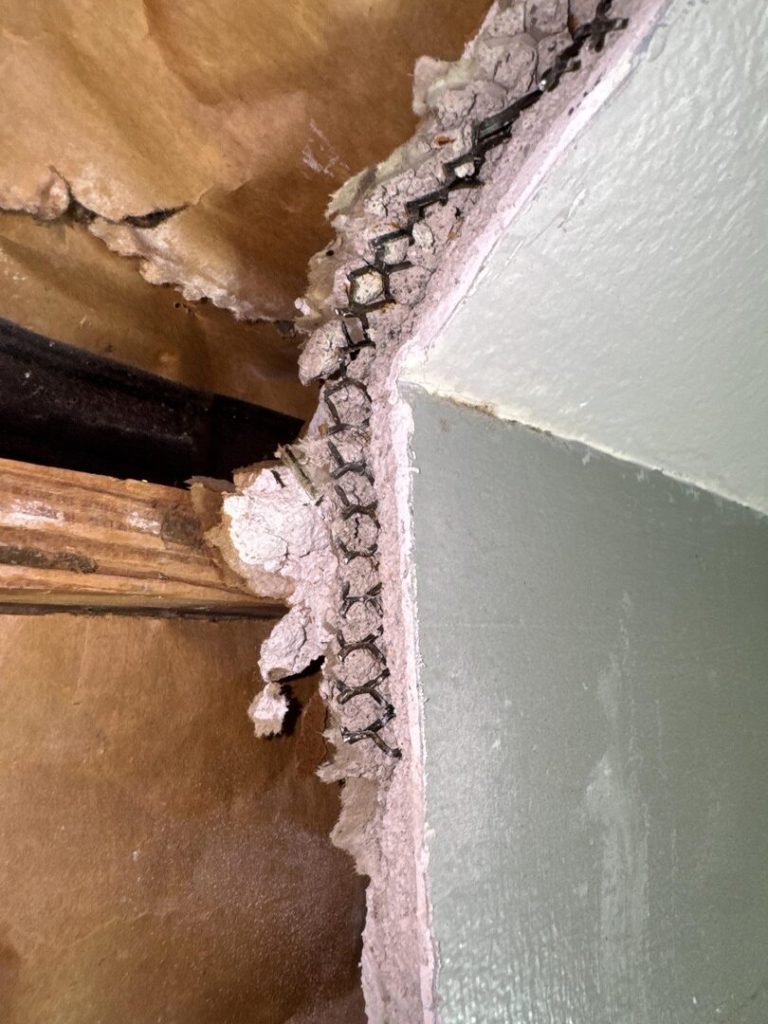
The EPA draws a rough line at 10 square feet for DIY mold cleanup. Surface type, recurrence, and HVAC involvement matter just as much as size.
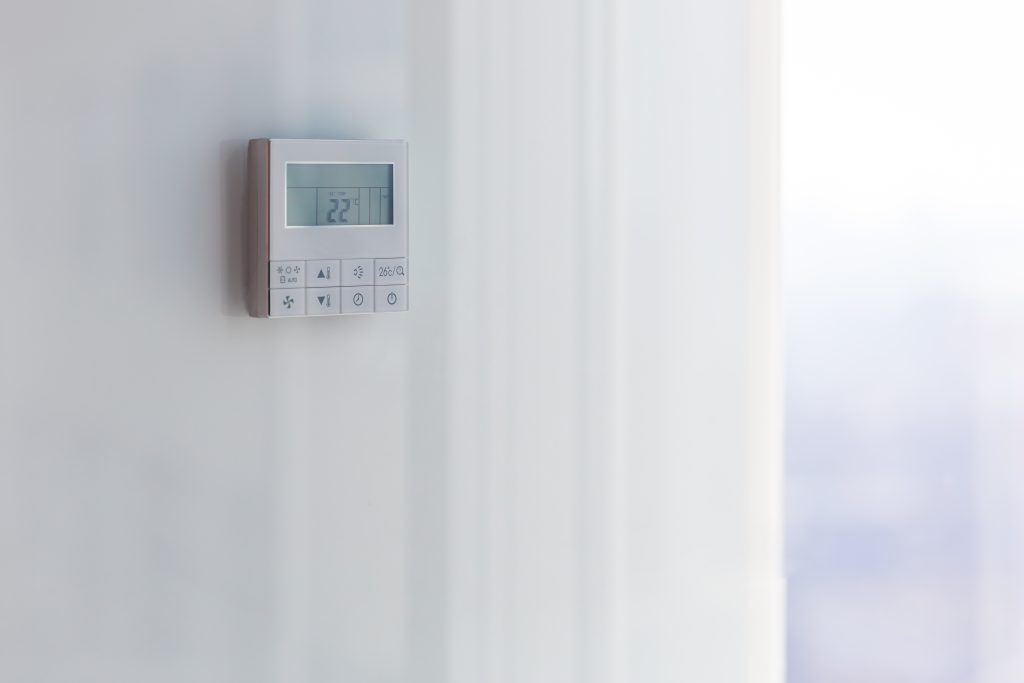
Setting the thermostat too high before a summer trip can let humidity climb even while the house feels only mildly warm. Here’s the range that keeps mold risk in check.
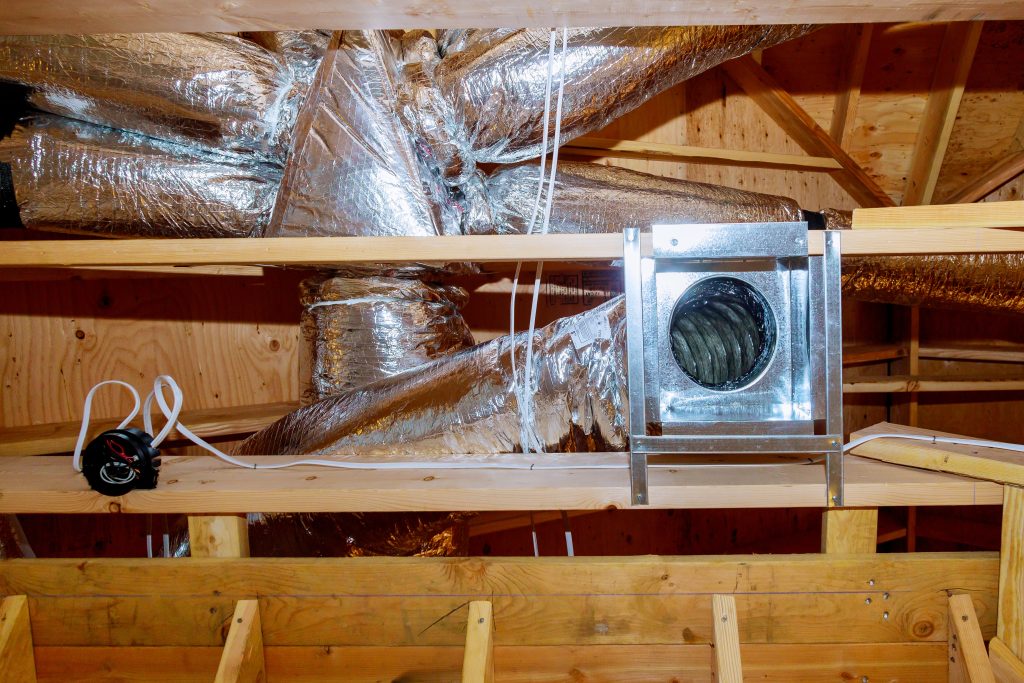
A poorly ventilated attic can hit 160 degrees in July — and trap moisture right along with the heat. Here’s why that combination creates mold risk, and how ventilation fixes it.A poorly ventilated attic can hit 160 degrees in July — and trap moisture right along with the heat. Here’s why that combination creates mold risk, and how ventilation fixes it.