
What Should You Actually Do As the Seasons Change, According to the EPA?
Generic “get ready for fall” advice is everywhere. Here’s what the EPA actually recommends, and why the same maintenance items matter more once windows close for the season.

Generic “get ready for fall” advice is everywhere. Here’s what the EPA actually recommends, and why the same maintenance items matter more once windows close for the season.
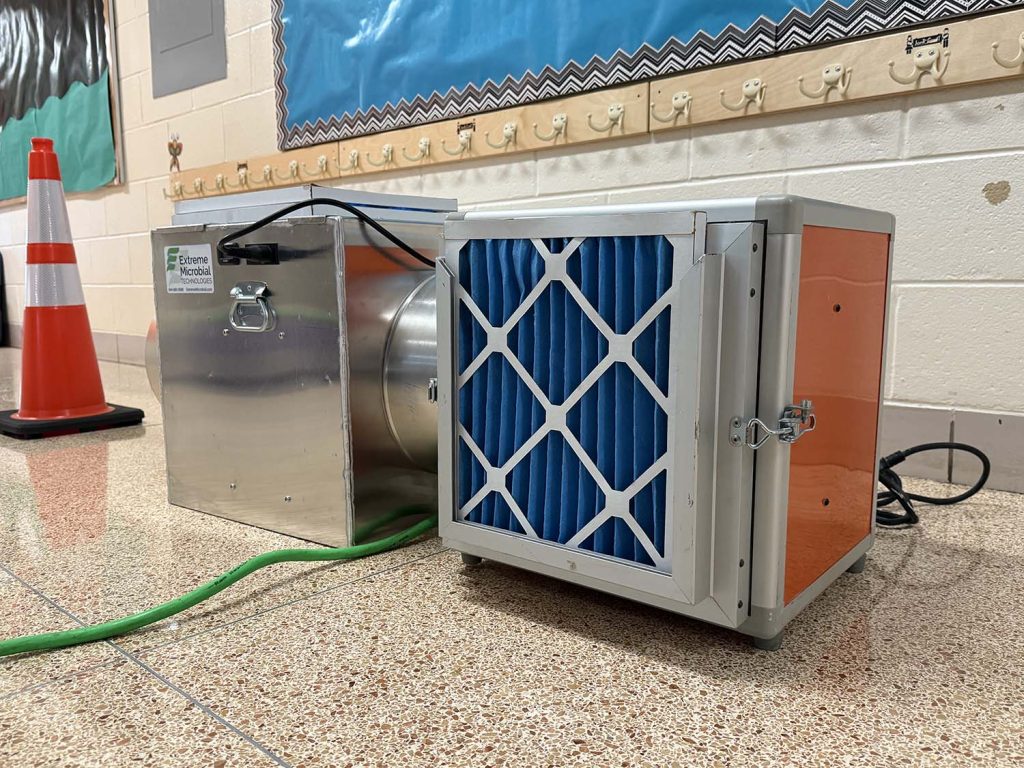
Air purifiers are marketed as a fix for musty odors and indoor air problems. The EPA’s own guidance is direct about what they can and can’t actually do for mold.
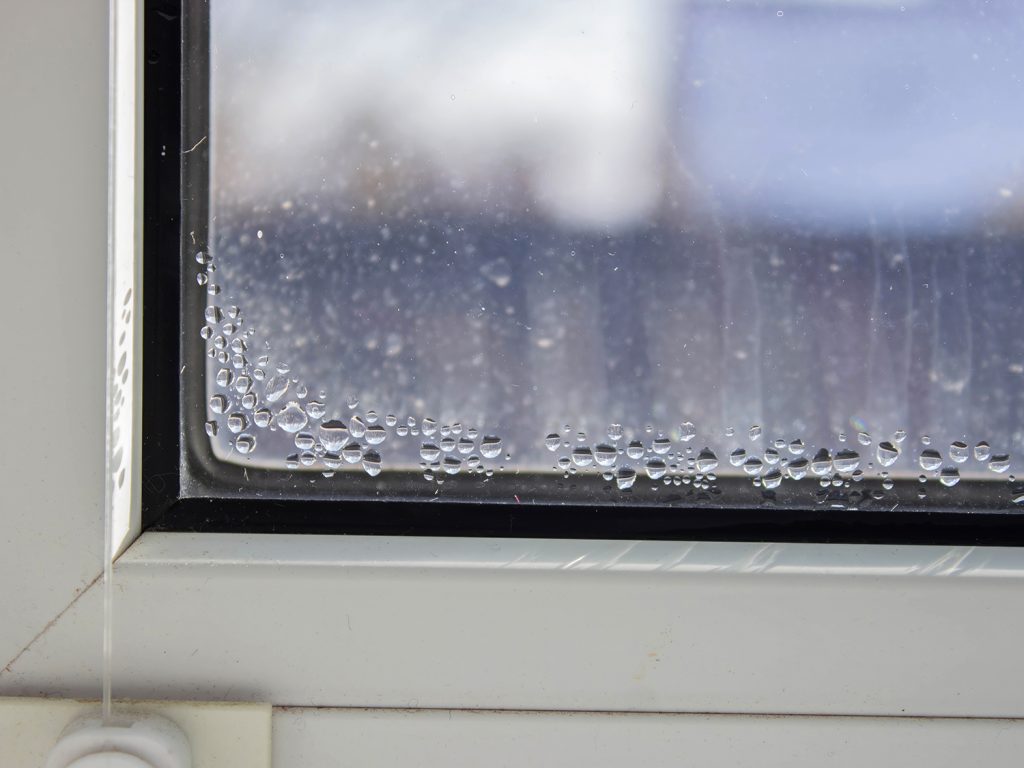
Windows that stayed dry all summer suddenly “sweat” once fall arrives. Cornell’s own condensation guidance explains the actual physics behind it.
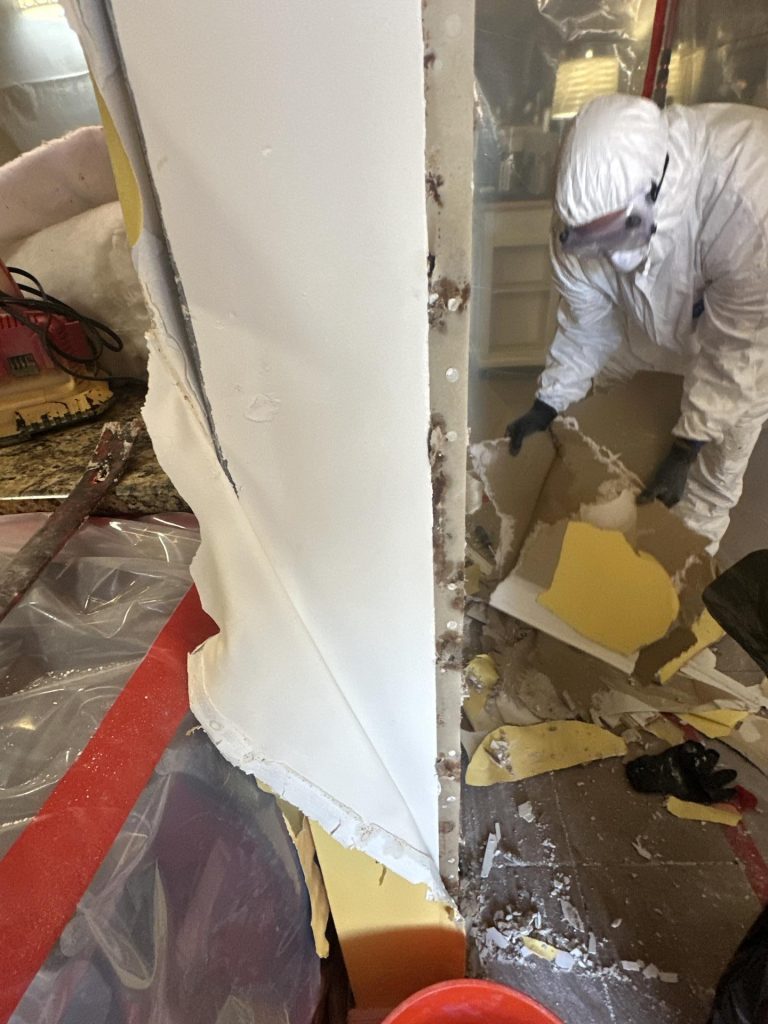
“Address the mold” isn’t specific advice. HUD’s own rental-inspection standard actually defines mold severity by square footage, and requires functioning bathroom ventilation as its own separate standard. Here’s what it actually says.
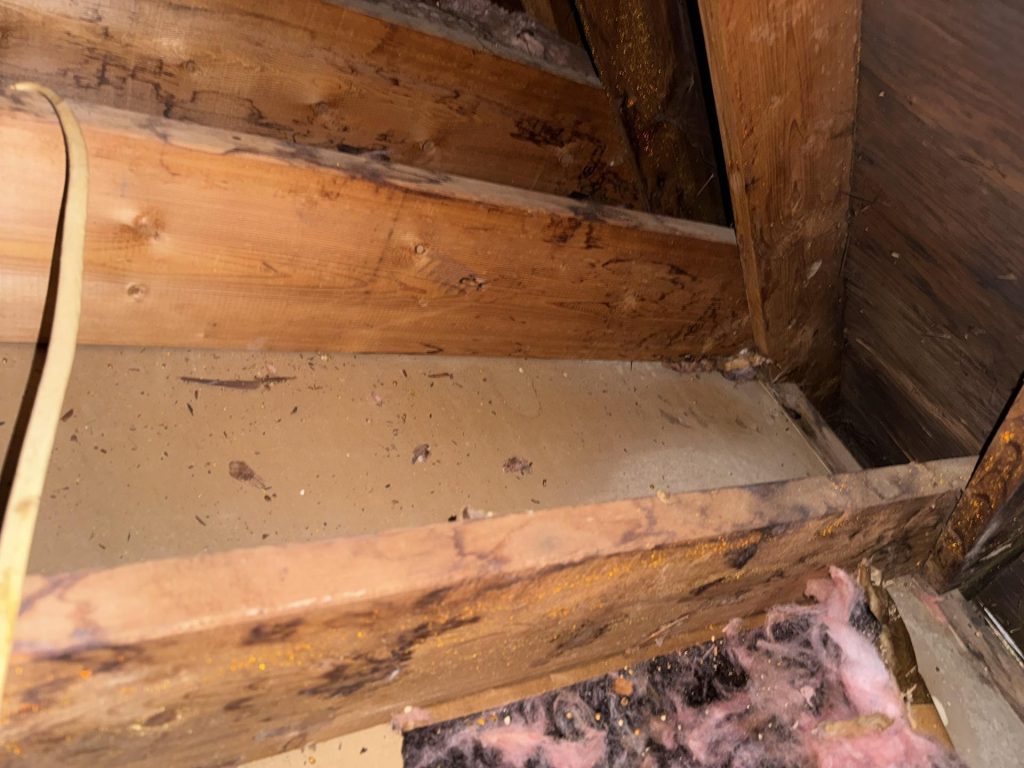
Homeowners insurance usually treats mold as a maintenance issue, not a covered loss, with one important exception. Here’s what the NAIC and Triple-I actually say about when mold removal is and isn’t covered.
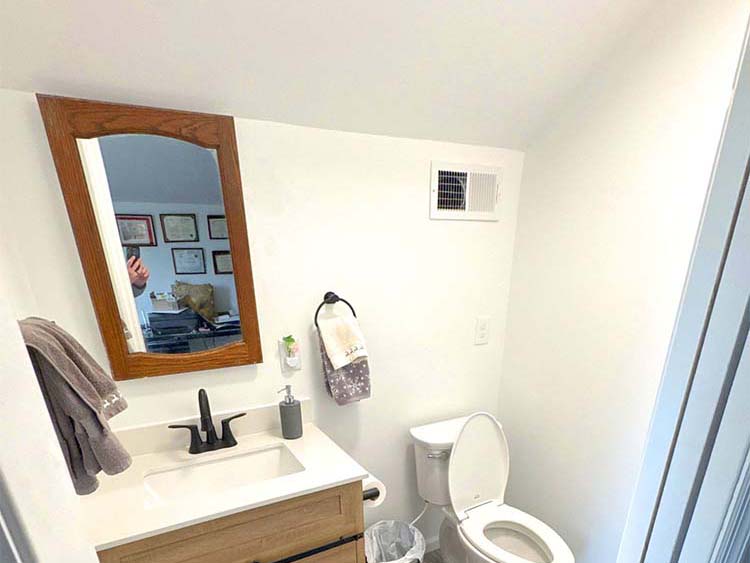
Turning off the bathroom fan the moment you’re done feels efficient, but it’s probably cutting the fan’s job short by close to an hour. Here’s what the actual guidance says about run time and fan sizing.
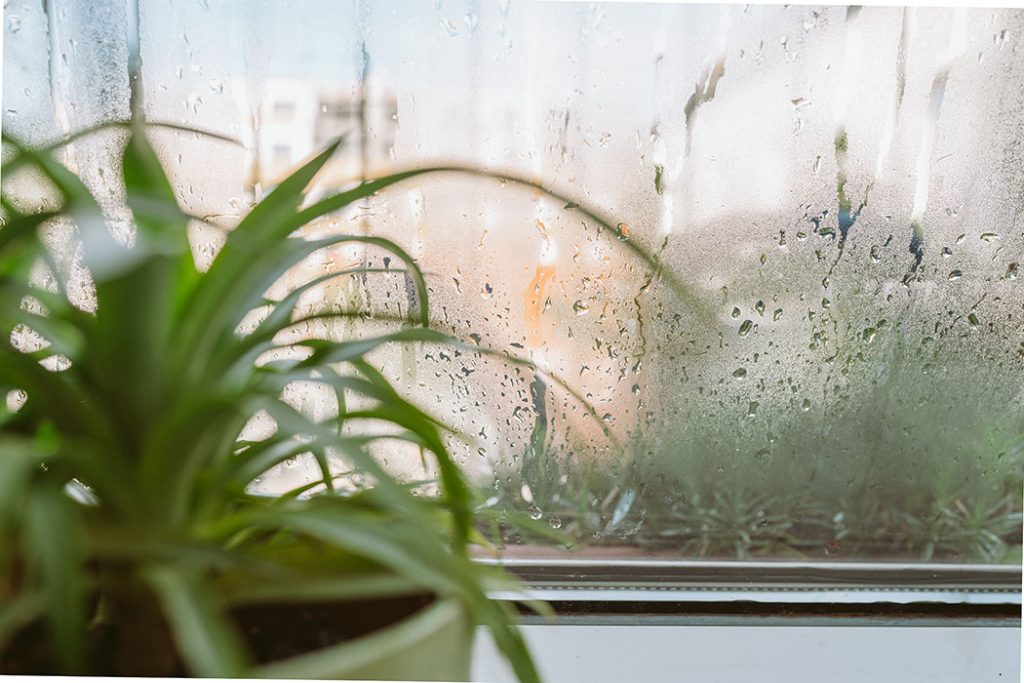
Closing your windows for the season feels like a small task, but it quietly changes where your home’s everyday humidity actually goes. Here’s the EPA’s own humidity range and why certain rooms need more attention once windows stay shut.
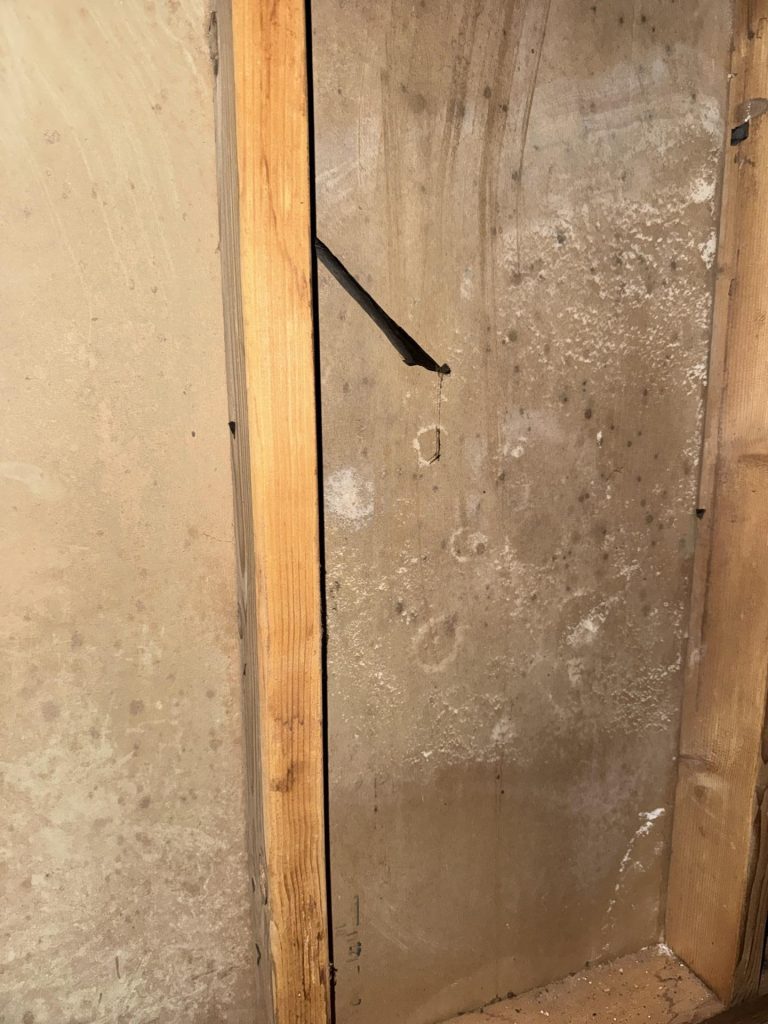
Not every stain or white deposit on framing is mold, but it’s not automatically nothing either. Here’s what a real assessment actually needs to tell the difference, and why it matters either way.
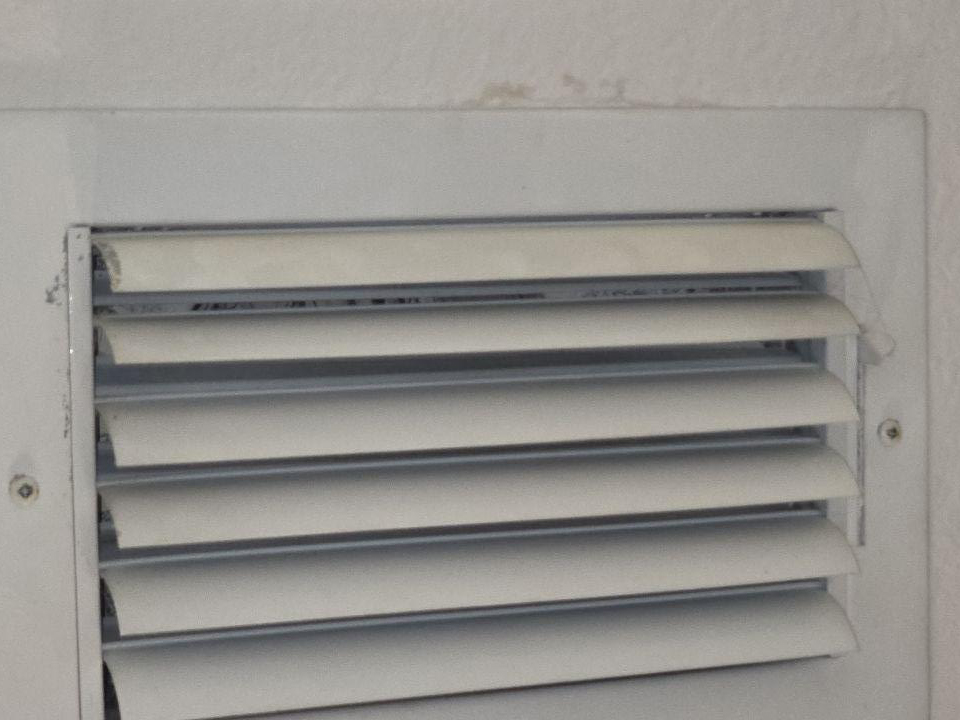
That musty smell when the furnace first kicks on this fall isn’t always harmless dust. Here’s what’s actually happening inside the system, and why it reaches every room at once.
Cleaned up mold once, only to see it come back? Here’s why that happens, and what actually has to change to stop it for good.