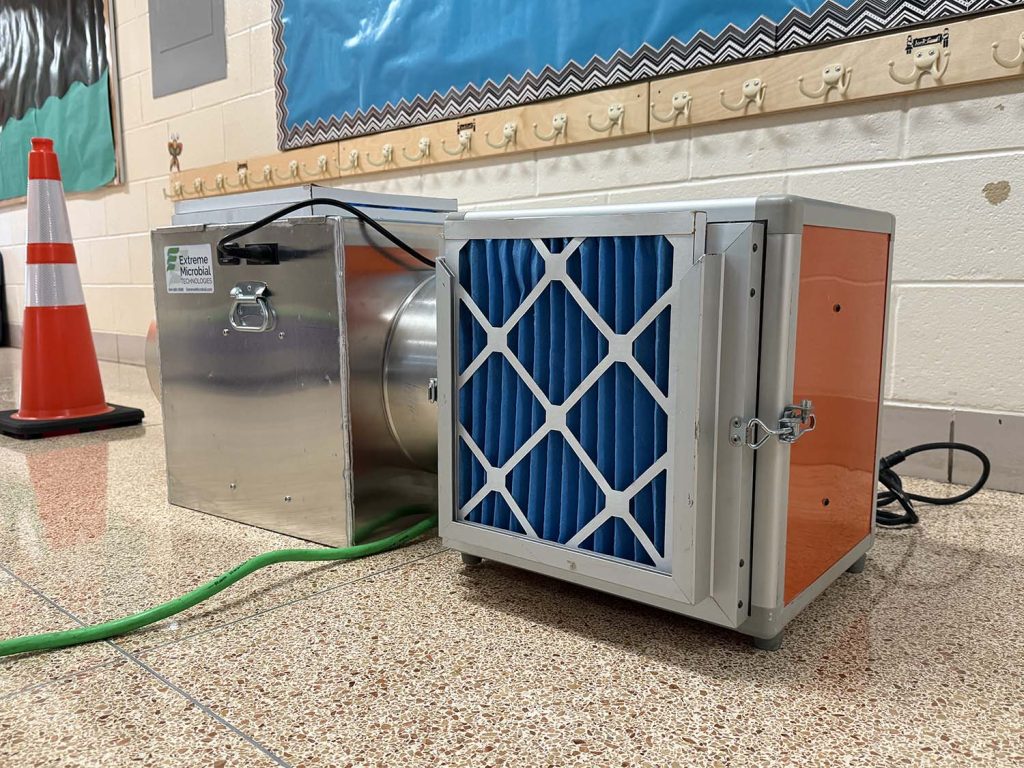
Do Air Purifiers or HEPA Filtration Actually Help With a Mold Problem?
Air purifiers are marketed as a fix for musty odors and indoor air problems. The EPA’s own guidance is direct about what they can and can’t actually do for mold.

Air purifiers are marketed as a fix for musty odors and indoor air problems. The EPA’s own guidance is direct about what they can and can’t actually do for mold.

“Black mold” gets treated like a special category of danger. Color alone doesn’t tell you much, here’s what the CDC’s guidance actually says.
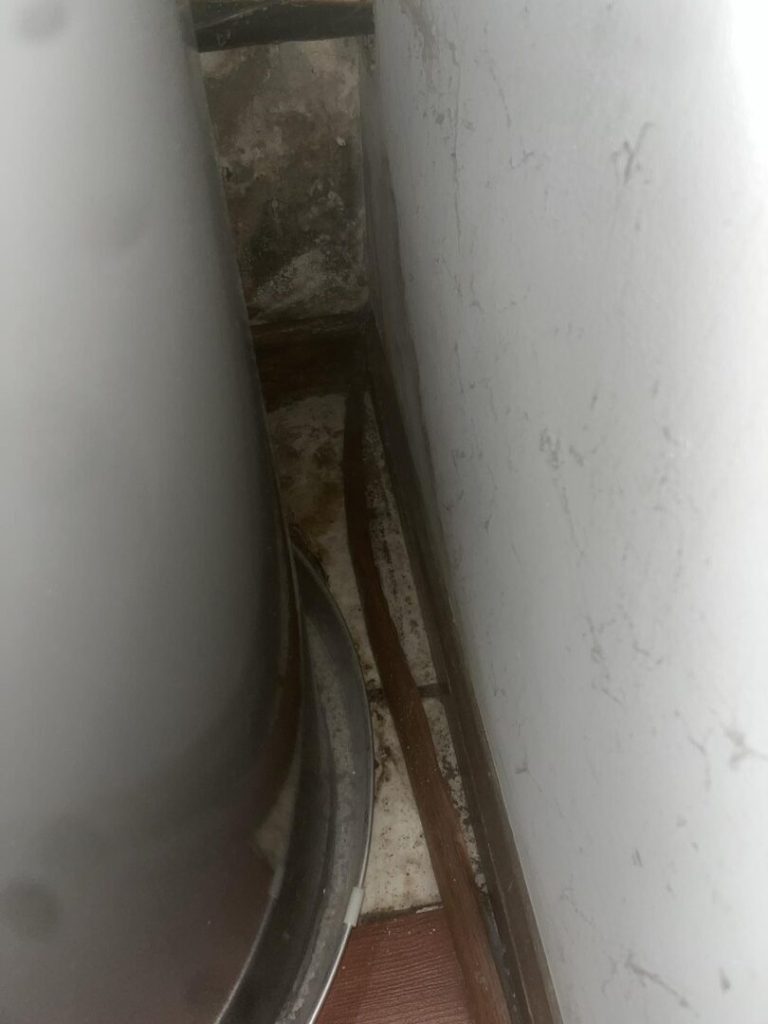
Most mold problems start small: an indoor-vented dryer, an unused bathroom fan, a leak nobody’s fixed yet. Here’s what to check.

Mold near a vent and the system still running? That’s one of the fastest ways to spread it. Here’s why shutting it down first is the safer call.
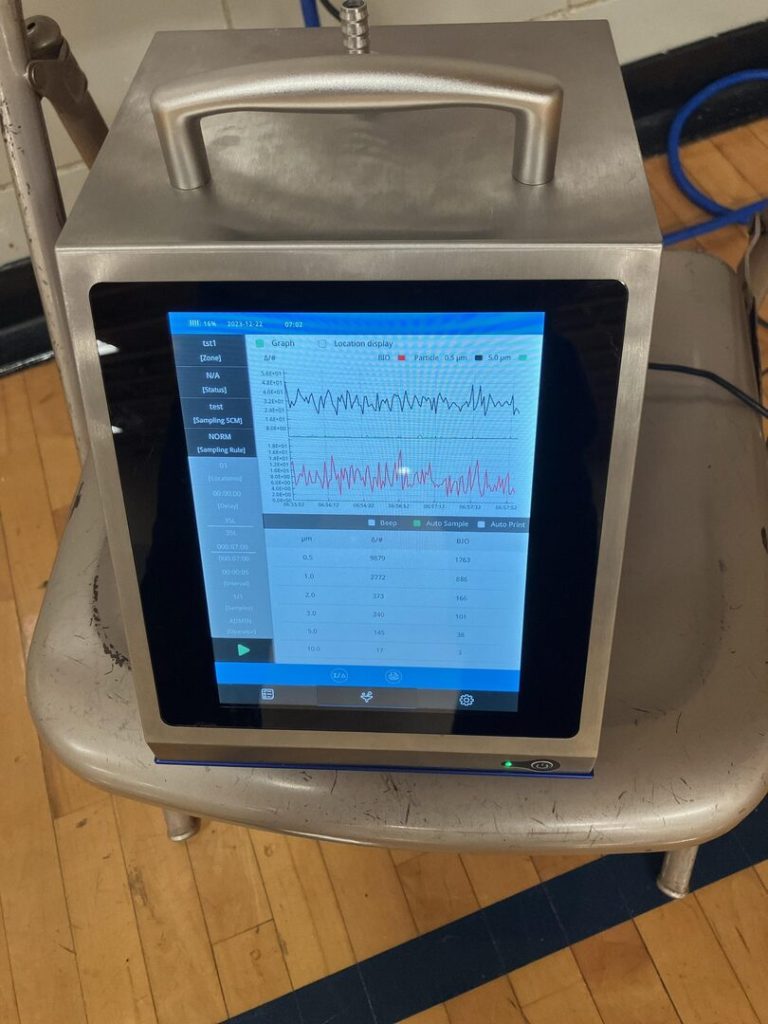
Mold testing and mold inspection aren’t the same thing. Here’s what each one actually tells you, and which one most situations need first.
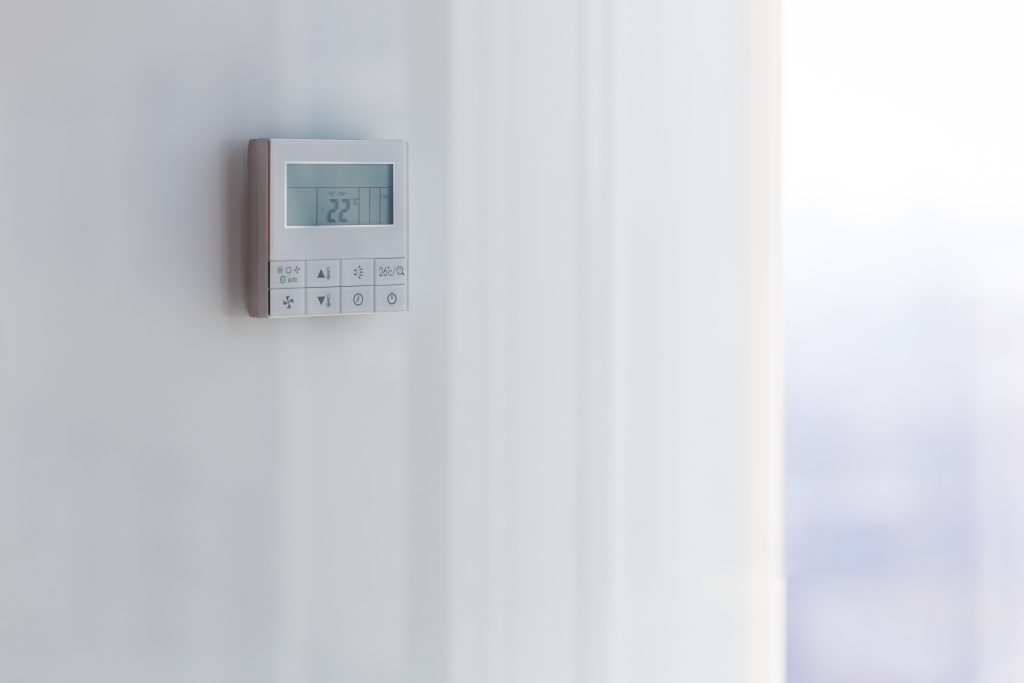
Setting the thermostat too high before a summer trip can let humidity climb even while the house feels only mildly warm. Here’s the range that keeps mold risk in check.

A single shower can spike bathroom humidity by 50% or more. In a humid Ohio summer, that moisture lingers longer than usual — and laundry rooms face the same problem.
Musty basement with no obvious leak? Summer humidity alone can push it past mold-friendly conditions. Here’s why.
Your air conditioner pulls moisture out of the air all summer — but a clogged condensate line can turn that same unit into a hidden mold source. Here’s what to watch for.

Most mold conversations start at home. But some of the most significant mold problems we encounter at Ram Mold Pro