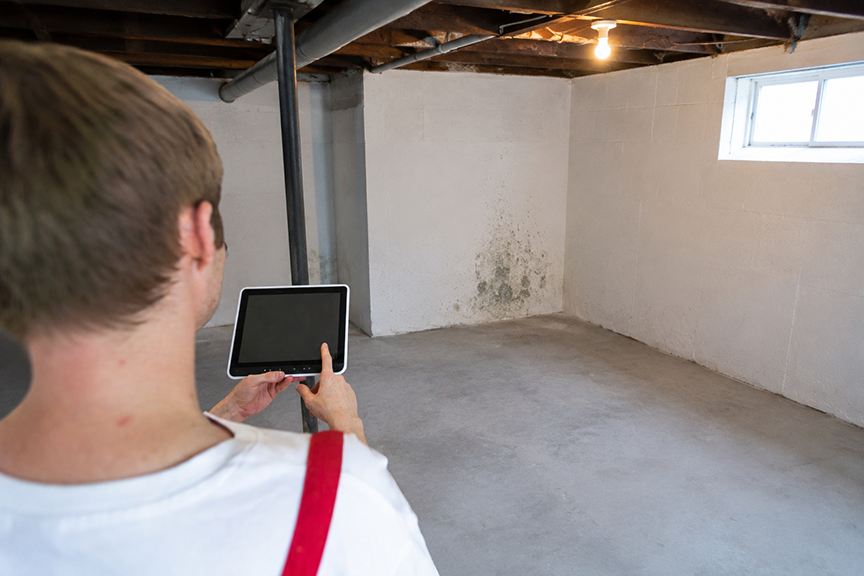
Why Does My Basement Have Mold When There’s No Leak Anywhere?
No leak, no flood, but mold on the basement wall anyway? Here’s how moisture actually gets into a basement without either one.

No leak, no flood, but mold on the basement wall anyway? Here’s how moisture actually gets into a basement without either one.
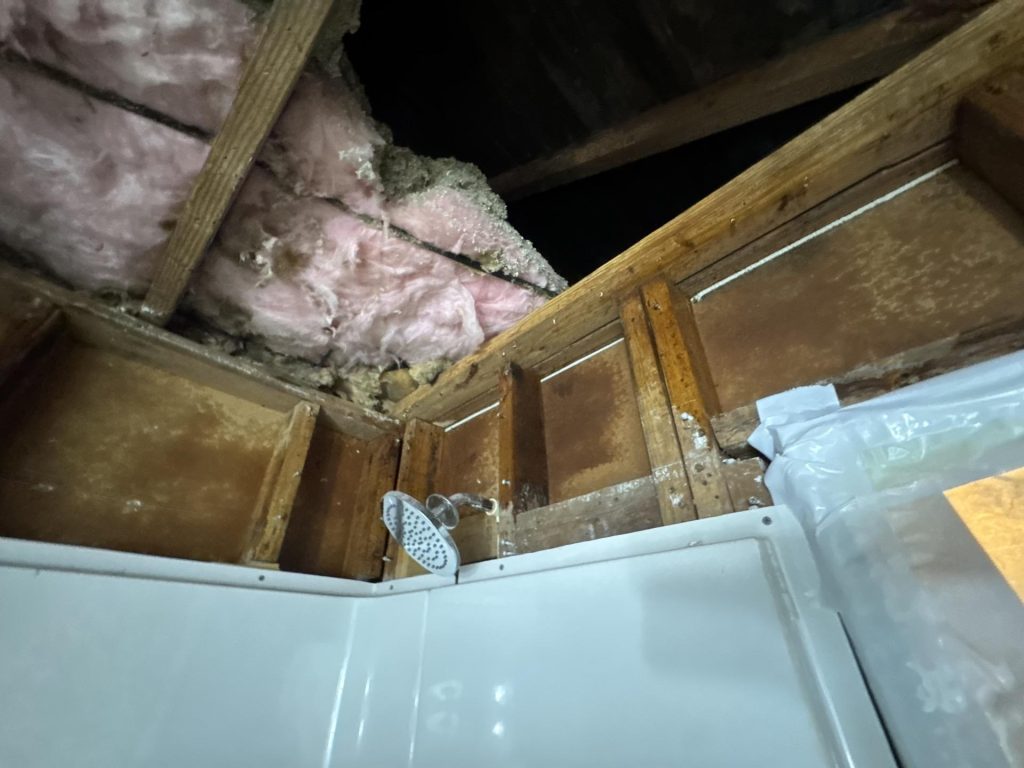
A clean-looking bathroom can still be growing mold behind the shower wall. Here’s why ventilation matters more than it gets credit for, and what to check.
Cleaned up mold once, only to see it come back? Here’s why that happens, and what actually has to change to stop it for good.
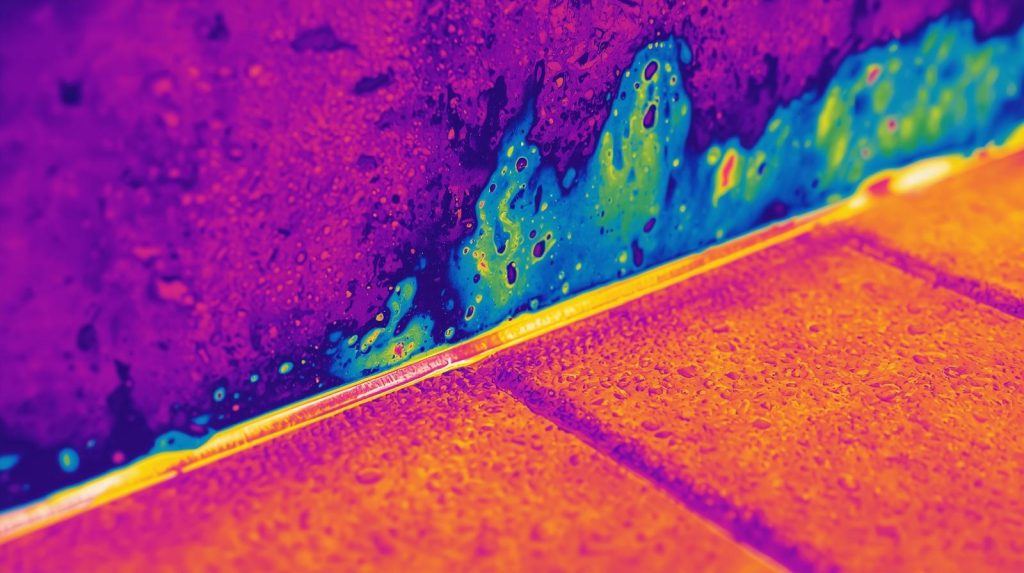
The rain has stopped, but the moisture it left behind hasn’t necessarily gone with it. Here’s the actual science behind how fast mold moves in after a storm, and how to check for it.
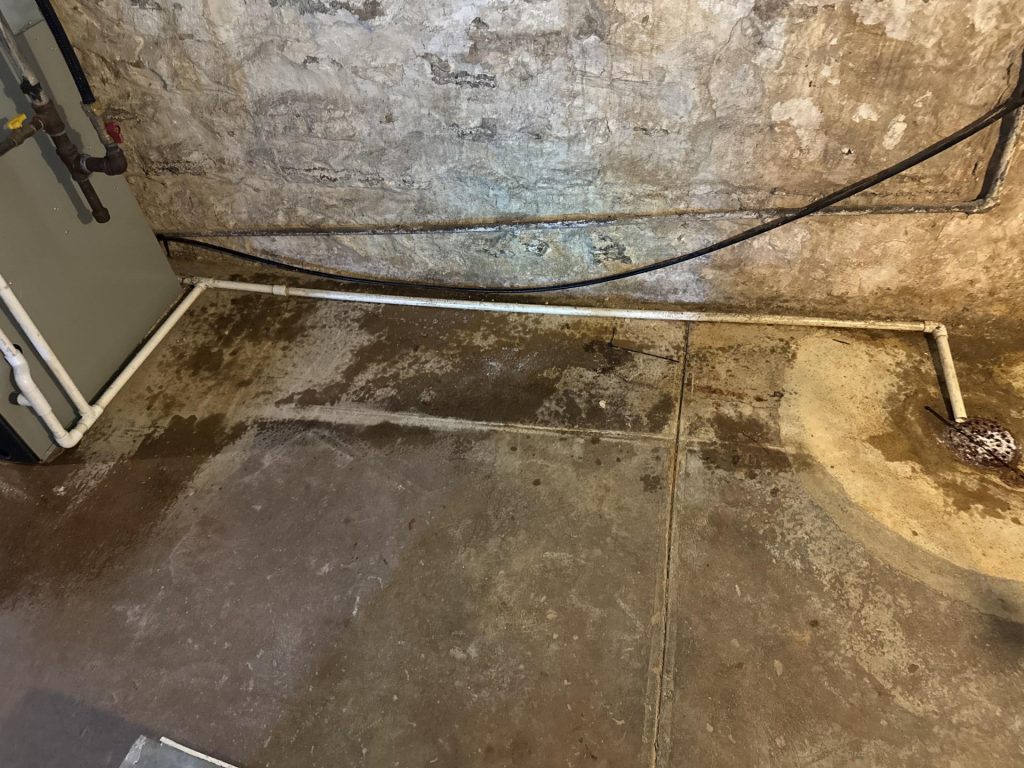
That white, powdery stuff on a basement wall usually isn’t mold, it’s efflorescence. Here’s what it actually means, and when it’s still worth a call.
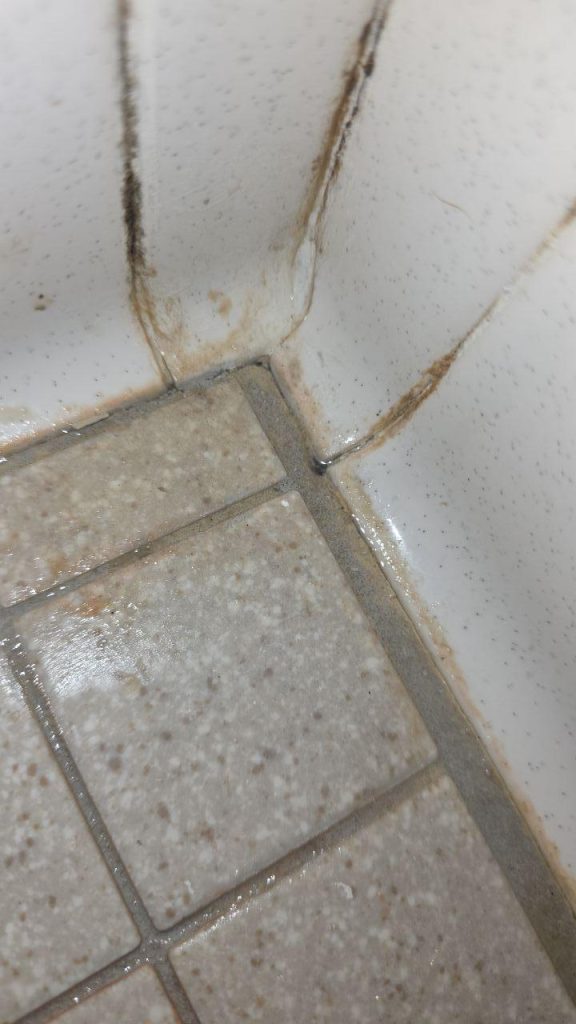
“Mold” and “mildew” get used interchangeably, but the real distinction is whether growth is on a surface or inside it.

A buyer’s inspector will find moisture issues eventually. A pre-listing mold check lets you find them first, and on your own schedule.
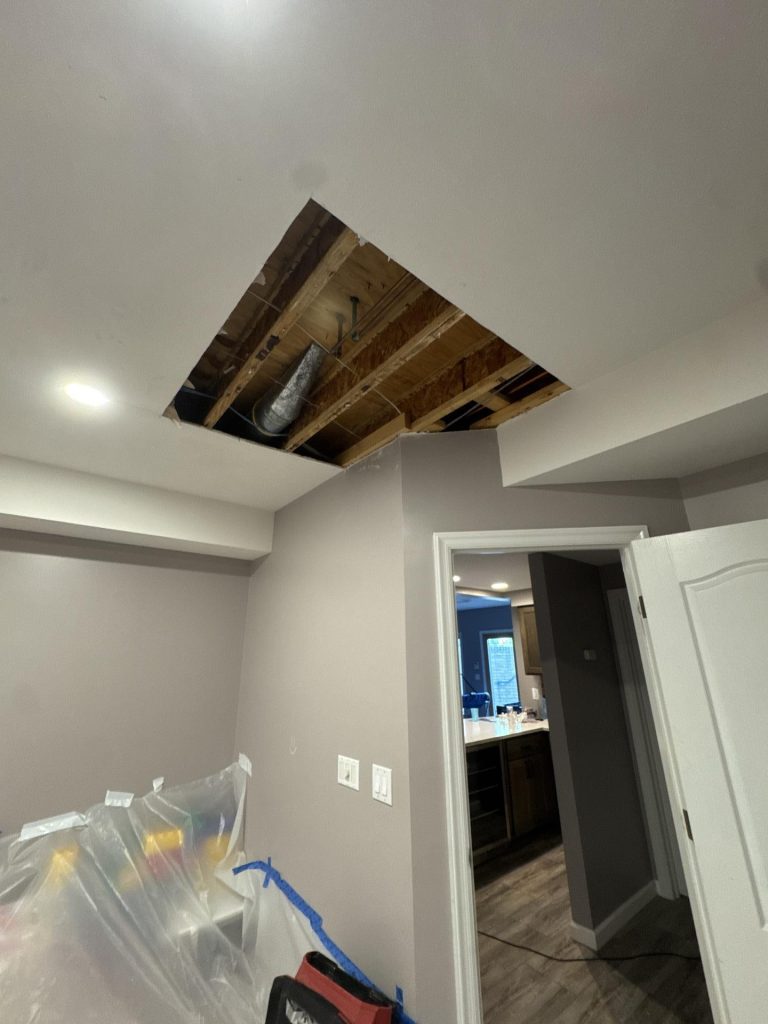
A musty smell with no visible mold usually means the growth is somewhere you can’t see. Here’s what causes the smell, and how to trace it.

Cincinnati’s sewer system took in more than 900 backup reports during last month’s storm. Here’s why floodwater from a sewer backup needs a different cleanup approach than clean rain.

“Black mold” gets treated like a special category of danger. Color alone doesn’t tell you much, here’s what the CDC’s guidance actually says.